Maximizing Maryland Luxury Sale Proceeds With Concierge
May 28, 2026
May 28, 2026
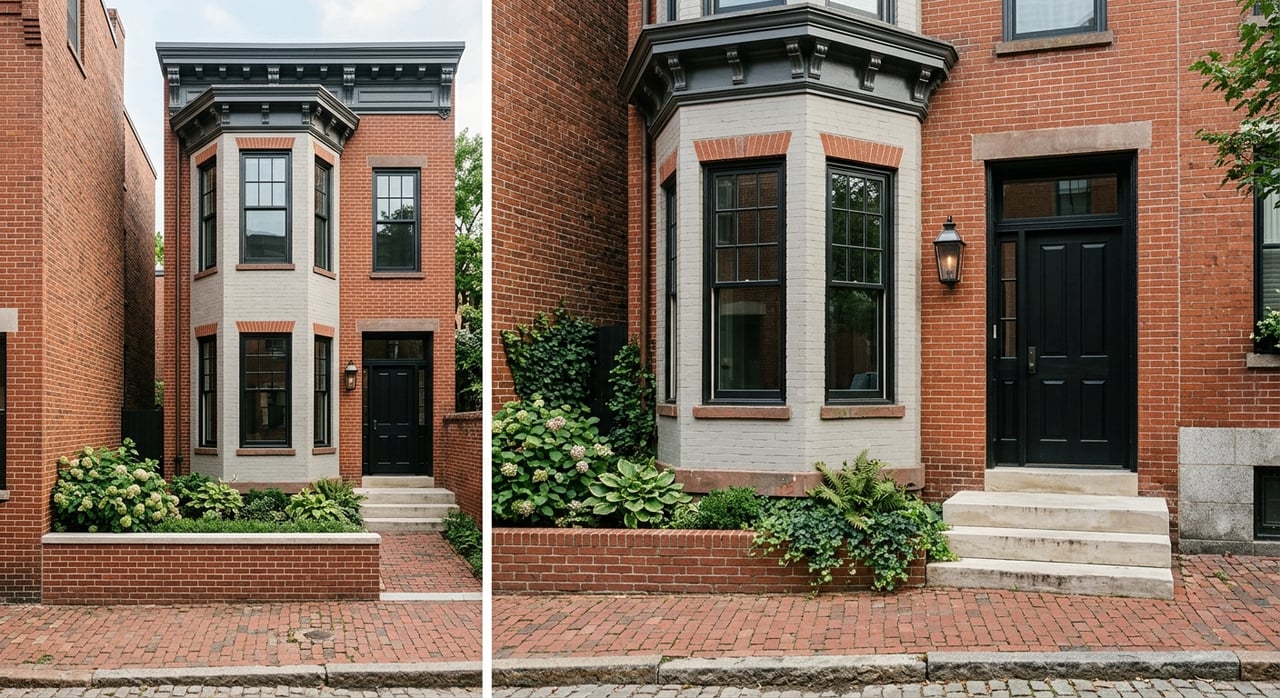
You do not usually get a second chance at a luxury first impression. In Maryland’s upper-tier market, buyers often form their opinion before they ever step through the front door, and that early perception can shape both urgency and price. If you want to maximize sale proceeds without taking on unnecessary stress, a disciplined pre-sale plan can make a meaningful difference. Let’s dive in.
In the 2023 National Association of Realtors staging survey, 58% of buyers’ agents said staging affects most buyers’ view of a home most of the time. The same survey found that 81% said staging helps buyers visualize a property as their future home. In a luxury sale, that matters because confidence and emotional connection often influence how strongly a buyer responds.
The same research also found that photos, physical staging, videos, and virtual tours rank among the most important listing assets. That means presentation is not just about in-person showings. It also shapes how your home performs online, where many buyers narrow their choices before scheduling a visit.
In Montgomery County, budget materials for FY2026 note that home prices continued to reflect elevated demand and limited supply, with prices increasing at a 5.6% average annualized pace from 2019 to 2025. While that is not a luxury-only measure, it supports the idea that in a market with strong pricing and constrained inventory, polished presentation can help a premium property stand out.
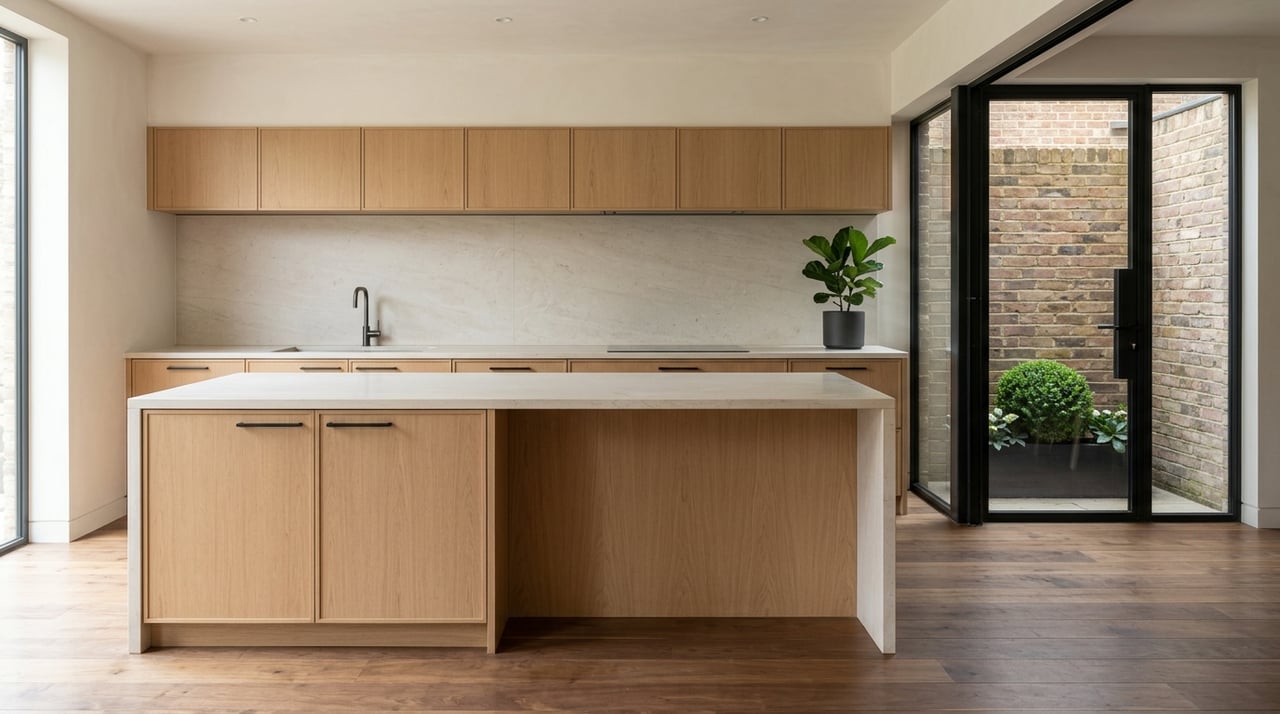
Not every pre-sale improvement carries the same weight. The staging survey shows that the living room, kitchen, and primary bedroom are the rooms most commonly staged, followed by the dining room and bathrooms. Those spaces tend to shape the overall impression of comfort, scale, and quality.
The same survey also highlights practical recommendations that come up again and again. Decluttering, whole-home cleaning, and removing pets during showings were among the most common suggestions. Minor repairs, paint touch-ups, carpet cleaning, depersonalizing, and outdoor work also made the list.
For luxury sellers, the lesson is simple: your first dollars often work hardest when they improve clarity, condition, and visual consistency. Clean sight lines, fresh finishes, and strong photography usually matter more than a long list of expensive changes.
A Concierge-style program can be useful when you want to prepare your home properly without paying every project cost upfront. Compass Concierge says it can front the cost of services such as staging, deep cleaning, decluttering, landscaping, painting, floor repair, carpet work, moving and storage, pest control, seller-side inspections and evaluations, kitchen and bathroom improvements, and more.
That range is especially relevant for Maryland luxury homes, where sale preparation may involve both cosmetic work and tighter project coordination. Instead of treating pre-sale prep as a loose collection of errands, you can approach it as a focused plan tied to marketing, timing, and eventual net proceeds.
Compass also states that sellers pay zero due until closing, with repayment when the home sells, when the listing ends, or when 12 months pass from the Concierge start date. Compass notes that the loan is provided by Notable Finance, that Compass is not the lender, and that eligibility is subject to credit approval and underwriting. Depending on the state, fees or interest may apply.
If your goal is to maximize proceeds, the smartest approach is usually selective rather than expansive. The staging survey suggests that many sellers benefit from targeted preparation, not a full remodel. In fact, 23% of sellers’ agents staged all homes, while 50% did not stage but still recommended decluttering or fixing property faults.
That tells you something important. Even in the luxury segment, thoughtful editing often beats overspending.
Start with the updates that are most visible in person and in photography:
These projects support the buyer experience at every stage. They help your home feel more cared for, more move-in ready, and easier to understand at a glance.
No improvement guarantees a specific outcome, especially in luxury real estate where pricing depends on property type, location, and buyer pool. Still, the staging survey offers helpful context. Sellers’ agents reported that staging increased the dollar value offered by 1% to 5% in 20% of cases and by 6% to 10% in 14% of cases, while 34% reported no impact and none reported a negative impact on dollar value.
Timing matters too. In that same survey, 27% reported a slight decrease in time on market and 21% reported a large decrease, while only 6% reported a large increase. That does not mean every Maryland luxury listing will see the same result, but it does show why staging is often treated as a measured investment rather than an optional extra.
The survey also reported a median spend of $600 when using a professional staging service. For a luxury home, your number may differ depending on scale and scope, but the broader takeaway remains useful: effective preparation is often about allocating money strategically, not spending endlessly.
One of the biggest advantages of a concierge-backed process is that it can support a more disciplined rollout. Compass markets Concierge alongside a phased launch process that includes Private Exclusives, Coming Soon marketing, and then the full public launch after improvements are complete.
For you as a seller, the practical value is sequencing. Improve the home first, refine the presentation, and then go public when the property is visually and operationally ready. That structure can help reduce rushed decisions and support a stronger market debut.
This kind of pacing aligns well with a design-led strategy. Instead of listing before the home is ready and hoping buyers overlook distractions, you can present a more complete story from day one.
Luxury pre-sale projects still need to follow Maryland rules. The Maryland Home Improvement Commission requires home improvement contracts to be in writing, signed by each party, and clear about the work and materials. The contract must include the contractor’s name, address, and MHIC license number, and you must receive a signed copy before work begins.
Maryland also requires the contract to state approximate start and substantial-completion dates. In addition, a contractor cannot accept more than one-third of the contract price as a deposit. These are practical safeguards that matter when multiple vendors are involved and timelines are tight.
For certain specialty work, the rules are even more specific. Maryland states that a home improvement contractor’s license does not authorize electrical, HVACR, or plumbing work. Contractors also must comply with local permit and inspection requirements.
That point is especially important in Montgomery and Prince George’s counties, where plumbers and gasfitters are licensed through WSSC. If your pre-sale scope includes kitchen, bath, or mechanical updates, proper oversight is part of protecting both timeline and closing readiness.
When sellers think about net proceeds, they often focus on visible prep costs and forget related transaction expenses. A more complete budget should account for improvement costs, staging, photography, permit or compliance costs, and local charges that may affect transfer.
For example, Montgomery County states that tax bills must be paid before a property transfer or mortgage refinance can take place. In Annapolis, the city requires a Real Property Transfer Form and fee, and it says the deed cannot move forward until outstanding utility amounts are paid in full.
Those details may not change your design plan, but they can affect your timing and final numbers. A strong advisory process looks beyond cosmetic prep and keeps the entire closing path in view.
There is no single formula that fits every Maryland luxury home. The right budget depends on your property’s condition, price point, competition, and the type of buyer you are likely to attract. A design-forward strategy works best when each dollar supports either better presentation, stronger marketing, or fewer buyer objections.
In many cases, the best returns come from cosmetic, first-impression, and photography-visible changes rather than major structural renovation. That is consistent with the survey’s emphasis on decluttering, cleaning, staging, and minor repair work. If a larger project is necessary, it should be tied to a clear reason, not done by default.
The goal is not to make your home look generic. It is to present it with clarity, polish, and confidence so buyers can focus on the home’s strengths.
When you are selling a luxury property, project management matters almost as much as design taste. You need a plan that balances visual impact, budget discipline, vendor coordination, and timing. That is where a boutique, high-touch process can make a real difference.
A design-informed advisor can help you decide what deserves attention now, what can wait, and what is unlikely to improve your outcome. That level of judgment is especially valuable when you want to preserve privacy, avoid disruption, and move through the process with less friction.
If you are considering a Maryland luxury sale and want a polished, evidence-based preparation strategy, Advisory Partners can help you evaluate the right improvements, coordinate a thoughtful launch, and position your home for a stronger result.
Stay up to date on the latest real estate trends.

Inventory, demand, and the spring outlook

The Case for Washington — and Why the Fundamentals Still Hold
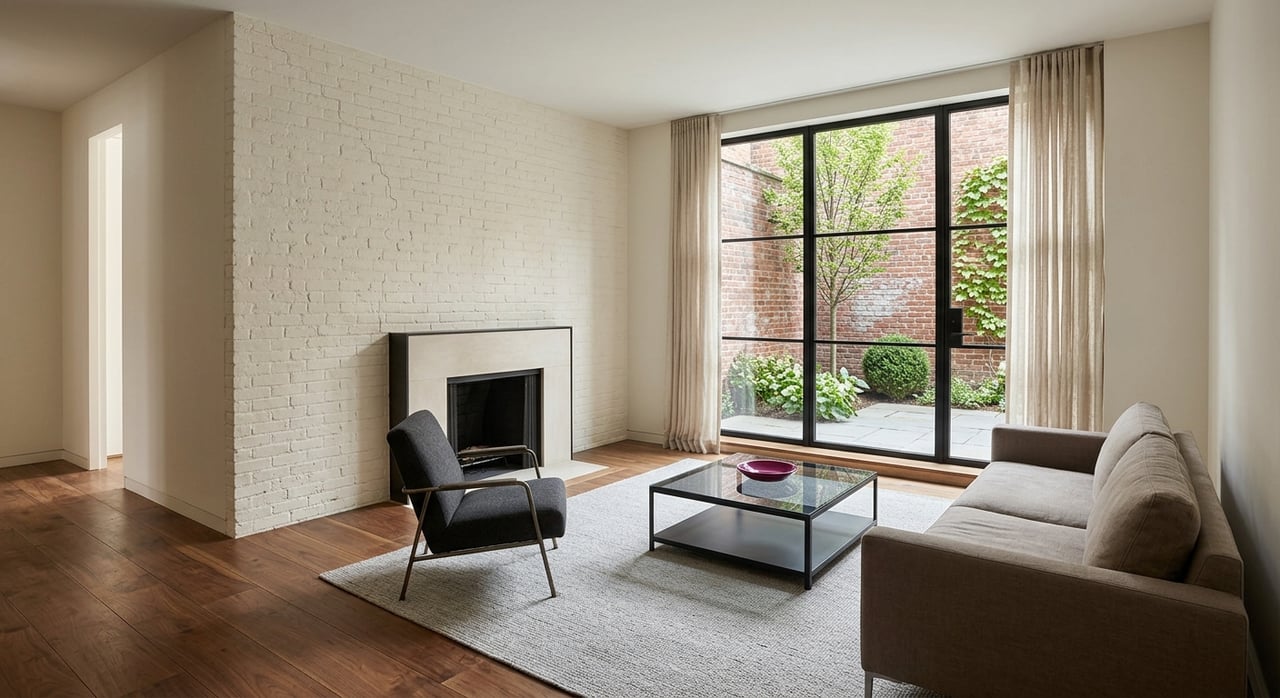
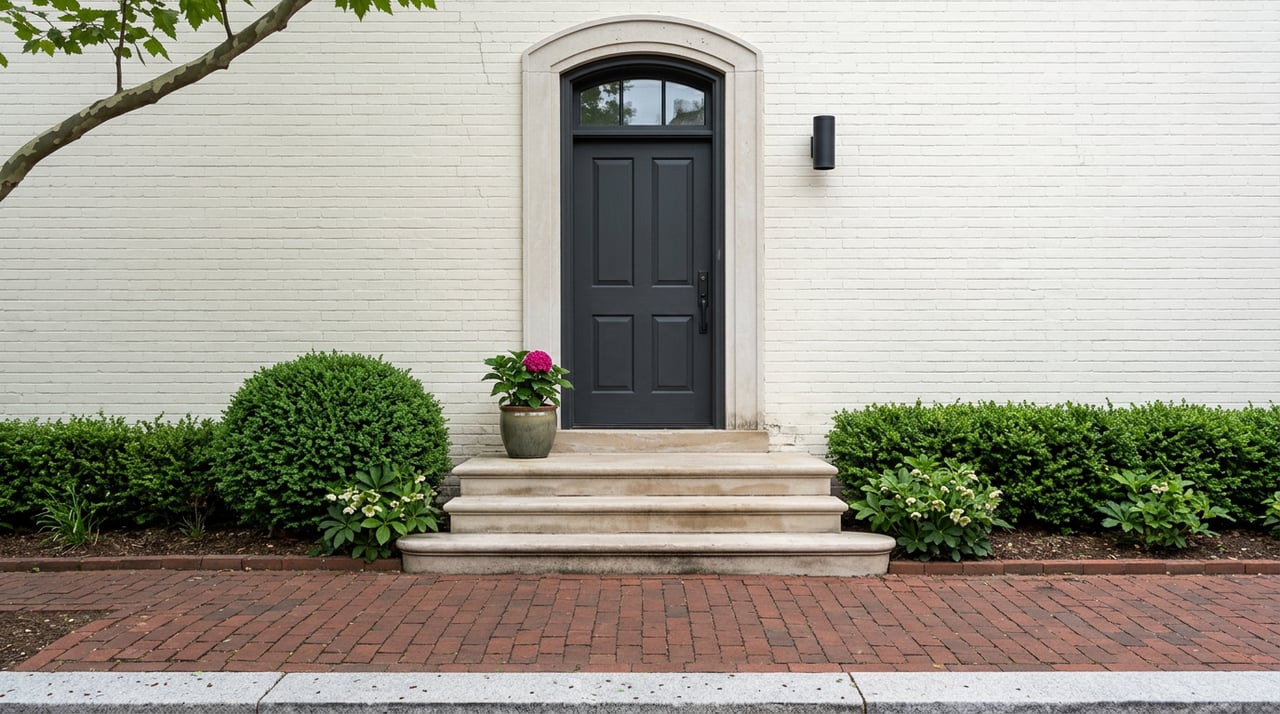
When you work with Advisory Partners, you’re not just hiring a real estate advisory team—you’re gaining trusted partners committed to a deeply personalized, highly professional experience. Whether you’re a first-time homebuyer, a growing family, an investor, or a seasoned executive, the team’s expertise ensures your real estate journey is seamless, strategic, and successful from start to finish.