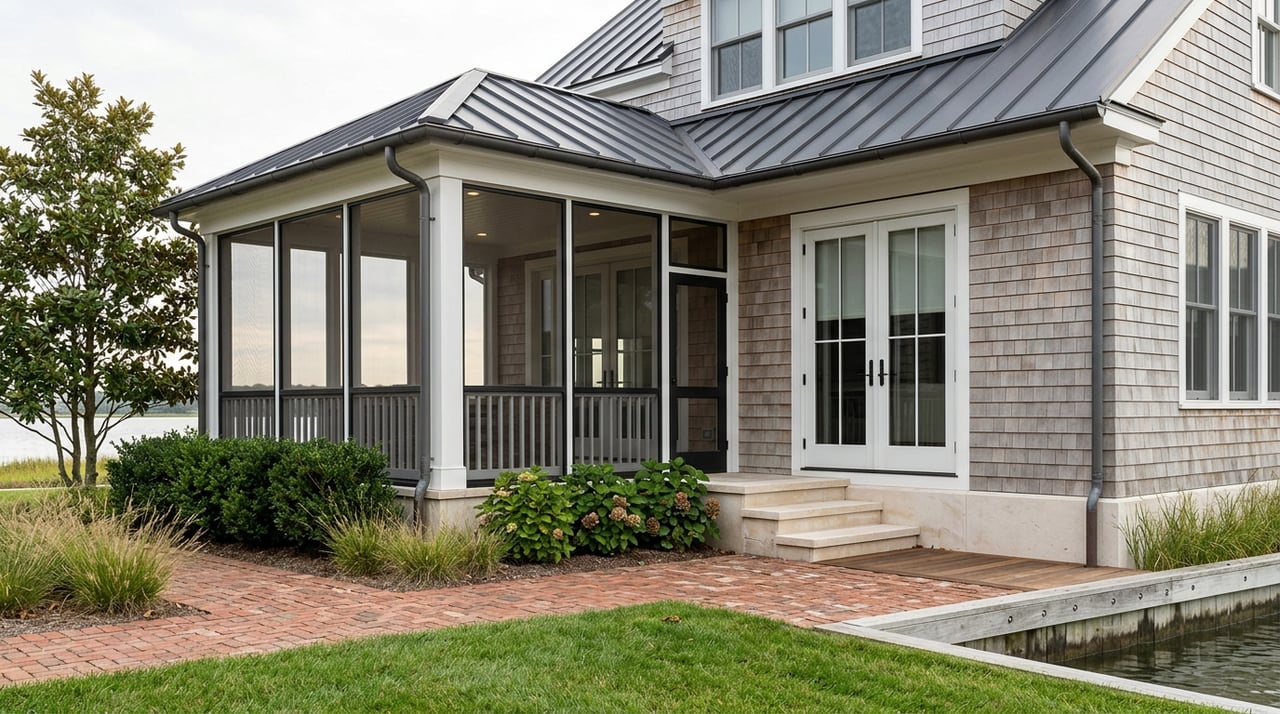
Exploring Maryland Waterfront And Bayfront Communities
May 14, 2026
May 14, 2026
Dreaming of life by the water in Maryland? You are not alone. From active harbor cities to quieter bayfront villages, Maryland offers several distinct ways to enjoy the Chesapeake lifestyle. If you are considering a primary home, weekend retreat, or future second residence, understanding how these communities differ can help you focus your search with confidence. Let’s dive in.
Maryland’s waterfront communities are shaped by the Chesapeake Bay system, which the Maryland Department of the Environment describes as the largest estuary in the United States and a central part of Maryland identity. That matters because living near the water here is about more than a pretty view. It is tied to boating, fishing, tourism, shoreline ecology, and the everyday rhythm of historic harbor towns.
In practical terms, waterfront living in Maryland often means balancing access and atmosphere. Some communities offer a lively, walkable setting with restaurants, marinas, and year-round activity. Others feel quieter and more village-like, with a slower pace and a closer connection to the shoreline itself.
Unlike waterfront areas built around a single resort pattern, Maryland’s bayfront and riverfront towns each have their own personality. You will find urban maritime energy in Annapolis, preserved harbor-town character in St. Michaels and Oxford, and a broader downtown-plus-waterfront mix in Cambridge.
That variety gives you options, but it also means your best fit depends on how you want to live. If you picture stepping from a dock to dinner, one town may stand out. If you prefer scenic quiet, public waterfront parks, or a more compact village setting, another may feel more natural.
Annapolis is the clearest example of a full-service waterfront lifestyle in Maryland. The city harbormaster manages public and private moorings, 1,700 feet of bulkhead, 20 slips at City Dock, and more than 17 miles of shoreline. Around Ego Alley, boaters can dock and then walk directly to restaurants and bars, which gives the waterfront an active, social feel.
The city also describes Annapolis as a major center for recreational boating, fishing, sailing, and racing. Its maritime economy is a defining part of daily life, and the city is known for major fall boat shows. If you want a place where the water is fully woven into the local economy and culture, Annapolis delivers that experience.
What sets Annapolis apart is its combination of waterfront access and historic urban walkability. The city highlights tree-lined streets, museums, shops, restaurants, the Naval Academy, and St. John’s College within the historic district. Public water-access points also support sitting by the water, launching kayaks, and moving around local waterways.
Annapolis also offers a useful lesson for any waterfront buyer: resilience is part of the lifestyle. The City Dock resiliency project is designed to create a raised, flood-resilient waterfront park with floodgates and barriers. For you as a buyer, that is an important reminder that waterfront enjoyment and flood planning often go hand in hand.
Annapolis may be the right match if you want:
St. Michaels offers a smaller-scale waterfront experience with deep ties to shipbuilding, oystering, and crabbing. The town says it later developed into a tourist and sailing haven, and that history still shapes its identity today. The result is a community where the waterfront feels central, but the pace is more relaxed than in Annapolis.
Its historic district was created in 1972 to preserve buildings, views, public ways, and other features tied to the town’s cultural and architectural history. That preservation focus helps maintain a strong sense of place. If you are drawn to towns where visual character and waterfront heritage are part of everyday life, St. Michaels stands out.
Daily life here remains closely connected to the harbor and public outdoor space. The town maintains parks with water views, harbor views, and kayak access, including Muskrat Park, Hollis Park, and Back Creek Park. It also has a waterways board dedicated to shoreline and waterway issues, which reflects how closely local planning is tied to the water.
St. Michaels may appeal to you if you value:
Oxford presents one of the most peaceful versions of Maryland waterfront living. The town describes itself as a tree-lined, waterbound village of fewer than 1,000 people and one of the oldest towns in America. It is a place where watermen still unload the day’s catch and sailboats arrive for a meal at a local restaurant.
That description captures Oxford’s appeal well. It feels intimate, low-key, and closely tied to the shoreline. If your ideal waterfront setting is calm, scenic, and distinctly village-like, Oxford deserves a close look.
One of its best-known landmarks is the Oxford-Bellevue Ferry, which began in 1683 and has had continuous service since 1836. The ferry adds both practical character and scenic appeal. It also reinforces the sense that in Oxford, the water is not just a backdrop. It is part of how the town works.
Oxford is also especially direct about the realities of waterfront ownership. The town provides floodplain guidance that addresses tidal flooding, storm surge, sea level rise, and flood insurance. That transparency is helpful if you want to enter the market with a clear-eyed understanding of both the lifestyle benefits and the planning considerations.
Oxford may be a strong fit if you are looking for:
Cambridge offers a different kind of waterfront setting. Located on the Choptank River, it combines historic seaport character with a larger downtown, a waterfront park and marina, and a more service-rich environment than smaller harbor towns. The city also highlights walking tours, river cruises, shops, antiques, and local dining in its historic district.
For many buyers, Cambridge stands out because it blends waterfront living with a broader downtown experience. Its historic district stretches from downtown toward the waterfront, and the city’s Downtown/Waterfront regulations are intended to support a walkable community. That can create an appealing balance between character, convenience, and access.
Cambridge also has meaningful public water amenities. The city offers boat launches, fishing piers, Long Wharf Park, and a municipal yacht basin. Main Street reports more than 25 businesses, more than $3.5 million in renovation investment, and more than 60 downtown events, which signals ongoing revitalization and activity.
The city’s Arts & Entertainment district adds another layer to the lifestyle. Galleries, studios, and cultural organizations are located along the creek and near the municipal yacht basin. If you want waterfront living with downtown momentum and visible reinvestment, Cambridge offers a compelling option.
Buyers interested in updating an older property should note that Cambridge’s preservation commission reviews exterior changes, including some that are not visible from the street or water. If renovation potential is part of your search, it is wise to factor in local review processes early.
Here is a simple way to think about the tradeoffs among these four locations:
| Community | Overall feel | Waterfront style | Pace |
|---|---|---|---|
| Annapolis | Urban and maritime | Active harbor, walkable downtown, boating hub | Lively |
| St. Michaels | Historic harbor town | Public parks, harbor views, kayak access | Relaxed |
| Oxford | Small village | Quiet shoreline setting, ferry landmark | Very quiet |
| Cambridge | Historic seaport city | Downtown waterfront, marina, public amenities | Balanced |
No one community is universally better. The right choice depends on whether you want activity, simplicity, walkability, public access, or a stronger sense of retreat.
Maryland waterfront communities often follow a noticeable seasonal rhythm. Annapolis is active year-round but also known for major fall boat shows. St. Michaels and Oxford are strongly tied to sailing, summer breezes, and visitor activity, while Cambridge promotes events, river cruises, and downtown festivals.
For you, that means the experience can shift by season. Warmer months may bring more energy, activity, and visitors, while the off-season may feel calmer and quieter. Depending on your goals, that can be either a benefit or an adjustment.
One of the most important themes across Maryland waterfront communities is that access to the water and management of the water are closely linked. Annapolis is redesigning City Dock around flood protection, and Oxford offers direct floodplain guidance for residents and property owners. These examples show that resilience is not separate from the lifestyle. It is part of it.
As you evaluate waterfront and bayfront homes, it helps to think beyond views alone. Public access, local amenities, renovation rules, shoreline conditions, and flood planning all shape the ownership experience. The more clearly you understand those pieces, the better your decision is likely to be.
If you are comparing Maryland waterfront communities, start by asking yourself a few practical questions:
Those answers can quickly point you toward the right community. They can also help you avoid spending time on locations that look appealing online but do not match how you actually want to live.
Maryland’s waterfront towns are appealing because they are not all trying to be the same. Each one reflects a different relationship to the Bay, from active harbor life to scenic quiet. If you want guidance in finding the right fit, Advisory Partners offers thoughtful, high-touch real estate advice across the DMV, including Maryland waterfront markets.
Stay up to date on the latest real estate trends.


Inventory, demand, and the spring outlook

The Case for Washington — and Why the Fundamentals Still Hold


News
Here Is What It Means for DC Metro Homeowners.
When you work with Advisory Partners, you’re not just hiring a real estate advisory team—you’re gaining trusted partners committed to a deeply personalized, highly professional experience. Whether you’re a first-time homebuyer, a growing family, an investor, or a seasoned executive, the team’s expertise ensures your real estate journey is seamless, strategic, and successful from start to finish.