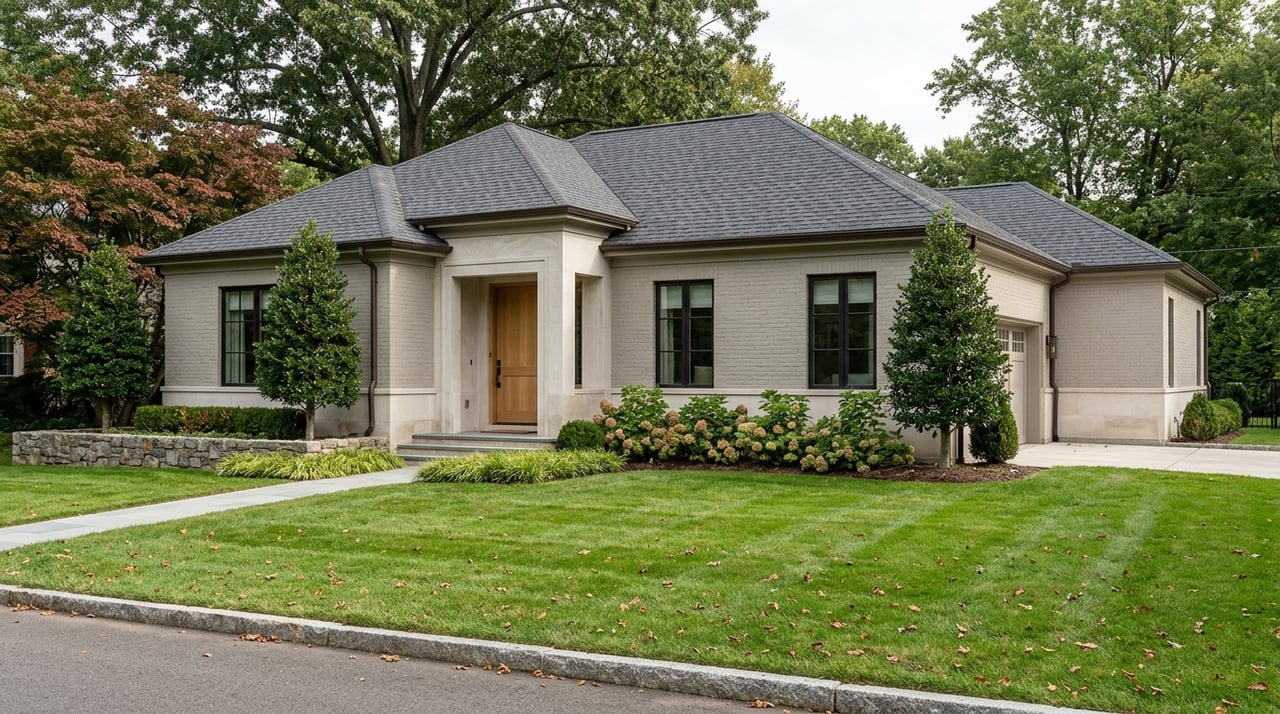
Maryland Suburban Upsizing Guide for Luxury Buyers
May 21, 2026
May 21, 2026
Thinking about trading your DC condo or rowhouse for more space in the Maryland suburbs? The move can feel exciting, but it also comes with bigger questions about lifestyle, maintenance, commuting, and long-term value. If you are considering a luxury move-up purchase in Montgomery County, understanding how Bethesda-Chevy Chase, Chevy Chase Lake, and Potomac differ can help you choose a home that truly fits the way you live. Let’s dive in.
In Montgomery County, luxury is not one single housing type. Depending on where you look, it can mean a refined condominium near Metro, a townhouse in a transit-adjacent pocket, or a detached home on a larger lot with more privacy.
That matters if you are upsizing from the city. A bigger budget does not automatically mean the same daily experience in every suburb. The right choice often depends more on your preferred home type, commute pattern, and maintenance tolerance than on price alone.
Bethesda-Chevy Chase sits along the county’s southern edge next to northwest Washington, D.C. and the Potomac River. County planning points to its strong transportation access, nearby parks, the Capital Crescent Trail, and connections to the Beltway and major roads.
For you, that often translates into a more connected suburban experience. If you want space while staying close to rail, major corridors, and a more active mix of daily transportation options, this area can feel like a natural next step from city living.
Chevy Chase Lake is primarily residential, but it is being reshaped around a planned Purple Line station. At the same time, planning for the area keeps its residential character outside the Town Center.
This creates a middle-ground option. Some parts may feel more transit-oriented, while others feel quieter and more residential, which makes block-by-block comparison especially important when you are touring homes.
Potomac is framed by county planning as a low-density green wedge with a semi-rural road network. Planning language also emphasizes preserving that lower-density character and limiting development and redevelopment sites.
If you are looking for a detached home, more land, and a greater sense of privacy, Potomac may align with your goals. The tradeoff is that daily life there is generally more road-centered, which can change how you think about errands, commuting, and household upkeep.
Near Metro stations, denser housing tends to dominate. In Friendship Heights, Montgomery Planning has said single-family detached housing is likely not feasible because of high land values and limited land availability, making townhouses and apartments the more realistic options.
As you move farther out, the housing mix changes. Bethesda and transit-adjacent areas may offer luxury with less exterior responsibility, while Potomac’s low-density pattern points more toward detached homes on larger lots.
For many move-up buyers, the biggest surprise is not the purchase price. It is the shift in responsibility that often comes with more square footage, more land, and more exterior upkeep.
A larger home can absolutely improve daily life, but it can also demand more of your time and budget. When you compare options, it helps to ask whether you want more room, or whether you also want the added maintenance that often comes with it.
Bethesda Station is on Metro’s Red Line, and it is being built for a future Purple Line connection that WMATA says will open in 2027. Medical Center and Friendship Heights also sit on the Red Line, giving nearby neighborhoods support for mixed commuting patterns.
If your schedule changes from day to day, that flexibility matters. You may be able to combine rail, driving, cycling, and walking more easily in this part of the county than in lower-density areas.
Chevy Chase Lake sits between transit-oriented and road-oriented suburban models. Its future Purple Line station adds convenience, but the surrounding area still retains a more residential pattern outside the Town Center.
That means two homes in the same broader area may offer very different routines. One may feel more connected to transit and daily conveniences, while another may depend more on driving.
Potomac’s road network is intentionally more limited, with planning focused on preserving its semi-rural character. In practical terms, this usually means a more car-dependent lifestyle.
That may be a worthwhile trade if your top priorities are land, quiet, and separation from denser development. Still, it is worth weighing against your weekday schedule and how often you want to rely on the car.
When buyers upsize, it is easy to focus on finishes alone. But Montgomery County’s planning framework suggests that durable value is often tied to land scarcity, transit access, neighborhood form, and where future growth is directed.
The county describes master and sector plans as frameworks designed to last 15 to 20 years. That longer view can help you evaluate whether a property’s appeal is rooted in lasting fundamentals like convenience, privacy, or constrained supply.
The county’s broader Wedges and Corridors approach channels growth into certain corridors while preserving open space, farmland, and lower-density residential areas. In Potomac, planning language also points to only a limited number of development and redevelopment sites.
For you, that can be a meaningful part of the luxury value story. In some areas, future supply may concentrate nearby in defined growth areas, while in others, the existing low-density pattern may remain more protected.
Upsizing is not just about the purchase price. It is also about the ongoing cost of owning a larger or more expensive home.
Montgomery County’s FY26 budget kept property and income tax rates unchanged and included a $692 property tax credit for homeowners. The county’s recordation tax also steps up for purchases above $500,000, which is especially relevant when you are moving into a higher-priced suburban property.
For many buyers, this is where the city-versus-suburb comparison becomes more real. A larger detached home may offer more privacy and space, but your total cost picture can look very different from a condo or rowhouse with less exterior responsibility.
If you want to compare homes clearly, keep your focus on four practical questions instead of getting distracted by square footage alone.
Think about how you live now and what is actually missing. You may need an extra bedroom, a dedicated office, or better indoor-outdoor flow, but you may not need the biggest house on the block.
A larger lot and detached home can deliver privacy and flexibility. They can also bring more upkeep, more systems to manage, and more time spent maintaining the property.
This question can quickly narrow your search. Bethesda-Chevy Chase may support more flexible commuting, Chevy Chase Lake may vary depending on the exact location, and Potomac will usually lean more heavily on driving.
Future buyers may value different things depending on the submarket. In one location, convenience and transit access may drive demand. In another, privacy, lot size, architecture, or detached-home scarcity may matter more.
The smartest suburban luxury purchase is not always the one with the most square footage or the largest lawn. It is the one that fits your real routine, your design preferences, and your comfort with ownership responsibilities.
For some buyers, that means a polished, lower-maintenance home with strong transit access in Bethesda-Chevy Chase. For others, it means a detached property in Potomac where privacy and land take priority. And for many, Chevy Chase Lake offers a useful middle path worth evaluating carefully.
If you are upsizing from DC, a thoughtful comparison of these submarkets can help you buy with more confidence and fewer surprises. For discreet, design-aware guidance on your next move in Maryland or across the DMV, Advisory Partners can help you evaluate the tradeoffs with clarity and care.
Stay up to date on the latest real estate trends.

DC Housing Update
When you work with Advisory Partners, you’re not just hiring a real estate advisory team—you’re gaining trusted partners committed to a deeply personalized, highly professional experience. Whether you’re a first-time homebuyer, a growing family, an investor, or a seasoned executive, the team’s expertise ensures your real estate journey is seamless, strategic, and successful from start to finish.