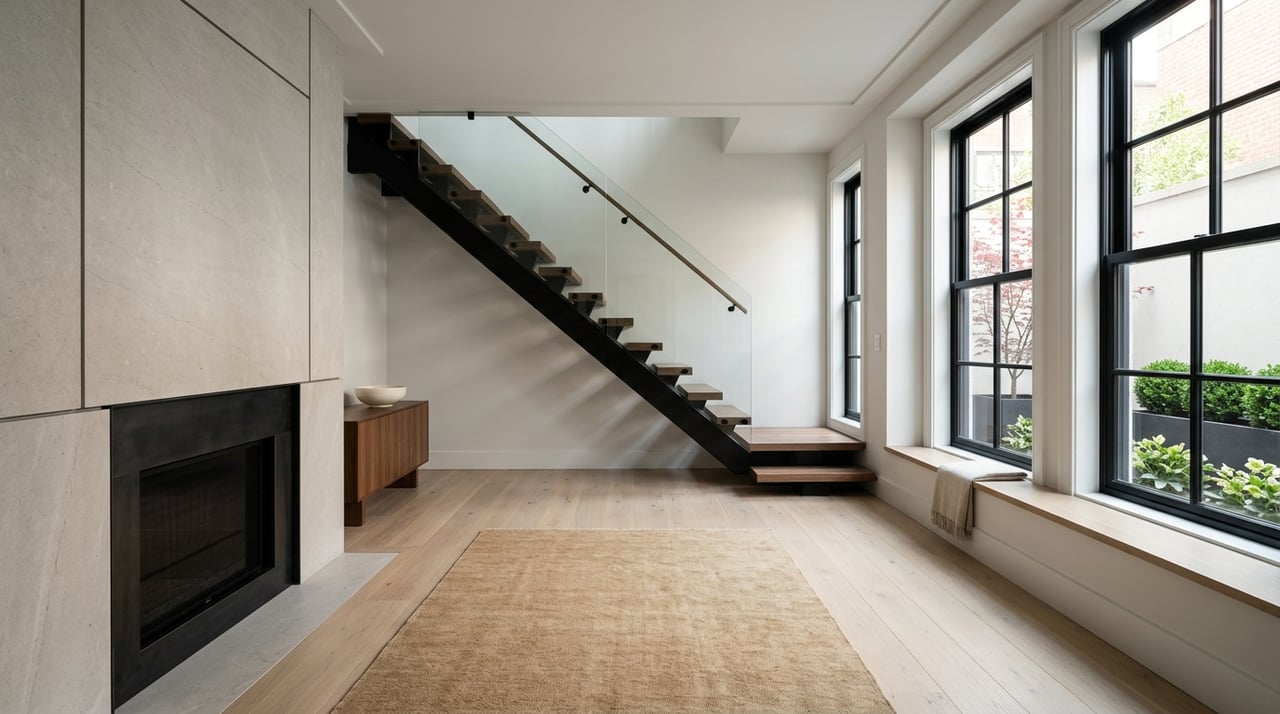
Preparing A Washington DC Luxury Home For Sale
May 7, 2026
May 7, 2026
If you are preparing a luxury home for sale in Washington, DC, presentation is not a finishing touch. It is part of the strategy. In a market where buyers still have options and high-end demand remains active but selective, the homes that stand out tend to be the ones that feel polished, well managed, and ready from day one. This guide walks you through what to prioritize, what to check early, and how to prepare your home for a stronger launch. Let’s dive in.
Washington, DC remains a competitive market where details can influence speed and outcome. DCAR’s March 2026 snapshot reported a median sales price of $675,000, 2,459 active listings, and 982 new listings, while Bright MLS reported 1.86 months of supply across the broader metro area and 22 median days on market in February 2026.
For luxury sellers, that means buyers are still engaged, but they are also comparing your home against other well-positioned options. Bright MLS also showed high-end single-family demand at 110 and high-end condo demand at 119 in April 2026, which suggests interest is there, even if buyers are more selective than a year earlier.
When you prepare a luxury home for market, the goal is usually not a full renovation. The strongest research-backed pre-listing work points to high-visibility updates that improve first impressions without creating unnecessary disruption.
According to the 2025 Remodeling Impact Report, REALTORS® identified painting the entire home, painting one room, and installing new roofing as top projects to complete before listing. The same report found buyers were less willing to compromise on home condition, which makes visible wear and dated finishes worth addressing early.
Fresh paint can change how your home reads in person and in photos. It helps rooms feel cleaner, brighter, and more current, especially when walls show scuffs, bold personal color choices, or uneven touch-up work.
In a luxury property, buyers tend to notice small inconsistencies. Chipped trim, worn flooring, damaged caulk lines, tired hardware, and stained grout may seem minor on their own, but together they can weaken the sense of quality.
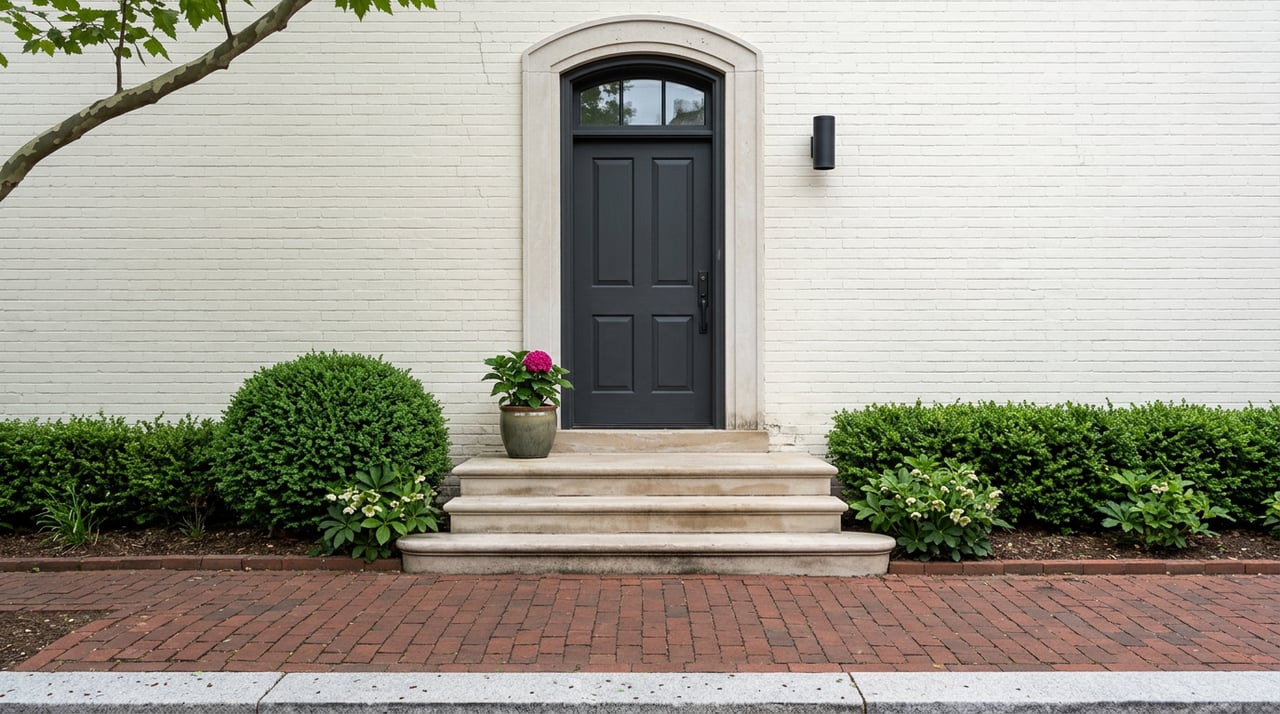
Your highest-impact fixes are often the ones a buyer notices in the first few minutes. That usually includes the entry sequence, main living areas, kitchen, primary suite, and any highly visible outdoor approach.
A smart pre-listing punch list may include:
Staging is especially important in luxury marketing because buyers often make early judgments online before they ever schedule a showing. The 2025 Profile of Home Staging found that 83% of buyers’ agents said staging made it easier for buyers to visualize a property as a future home.
That same report found that 17% of buyers’ agents said staging increased the dollar value offered by 1% to 5%. While results vary by property and market, the takeaway is clear: staging can help support both perception and pricing.
Not every room needs the same level of attention. The most important spaces to stage were the living room, primary bedroom, and kitchen. On the seller side, the rooms most commonly staged were the living room, primary bedroom, and dining room.
For many Washington luxury homes, these are also the rooms that communicate architectural character and lifestyle most clearly. A thoughtful staging plan helps buyers understand scale, flow, and function without distracting from the home itself.
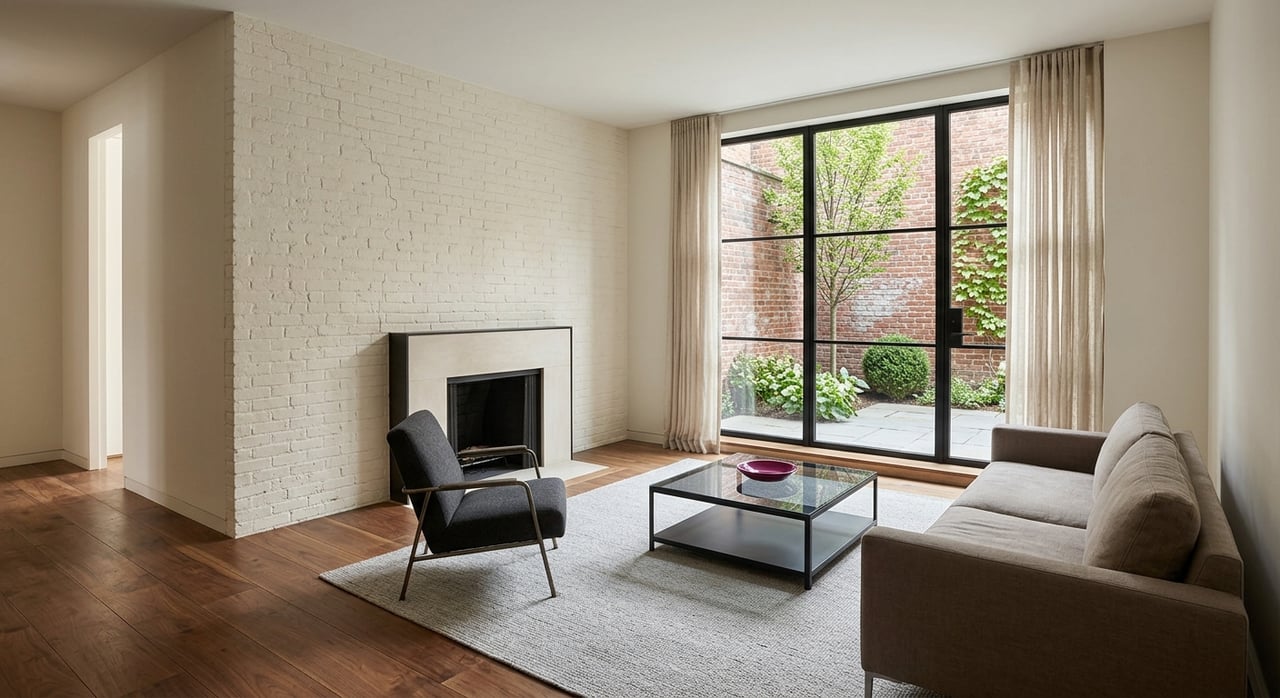
Luxury staging works best when it feels edited, intentional, and in proportion to the architecture. In DC, that can be especially important in rowhouses, historic homes, and residences with strong original details.
You want the buyer to notice ceiling height, natural light, millwork, fireplaces, flooring, and room-to-room flow. The furnishings should support the story, not compete with it.
For a premium listing, visual marketing should not happen after the prep work is done halfway. It should be part of the prep strategy from the beginning.
The 2025 Profile of Home Staging found that buyers’ agents rated photos as important 73% of the time, followed by physical staging at 57%, videos at 48%, and virtual tours at 43%. That makes strong imagery central to your launch, not optional.
Luxury buyers are often time-constrained and highly efficient. They may decide whether your property is worth seeing in person based largely on the first set of images and video they review.
That is why it usually makes sense to finish cosmetic work, complete staging, and then schedule photography only after the home is visually ready. If your first impression feels incomplete, you may not get a second chance with the right buyer.
In Washington, DC, some homes need more than design updates before listing. Historic status, permitting requirements, and lead-related rules can all affect your preparation timeline.
These items are manageable, but they need to be identified early. If you wait until just before photography or launch, your schedule can tighten quickly.
Many luxury homes in Washington are historic rowhouses or are located in historic districts. DC guidance states that owners of buildings in historic districts must have certain exterior repairs, alterations, and changes approved before work begins.
The Office of Planning also states that permits are required for new construction, additions, alterations, repairs, and certain items such as window replacement, fences, decks, signs, and awnings when they are part of the work scope. If your prep plan includes exterior changes, it is wise to address those items first.
For minor work on historic buildings, DC’s Historic Preservation Office may grant expedited clearance. Even then, applicants must submit documentation showing compatibility with the district, including exterior photographs and, when relevant, photos of adjacent buildings or the surrounding area.
For sellers, the main takeaway is timing. Exterior improvements on a historic property should be sequenced early so they do not interfere with staging, photography, or your listing date.
If your home was built before 1978, lead-related rules should be part of your pre-listing checklist. Federal law requires sellers to disclose known lead-based paint information before a contract is signed for most pre-1978 housing, provide the EPA pamphlet, and give buyers a 10-day period to conduct a paint inspection or risk assessment.
DC also uses a local Sales Lead Disclosure Form for lead-based paint disclosures in a sale, while lead plumbing and water-system information appears on the Real Property Seller’s Disclosure Statement. If your prep work will disturb pre-1978 paint, EPA guidance says renovation, repair, and painting projects should be handled by lead-safe certified contractors.
Most luxury sellers want the same thing: a strong result without turning daily life upside down. That is where a clear prep sequence matters.
A practical path is to identify any historic or pre-1978 issues first, confirm permit or lead-safe requirements, complete the most visible cosmetic work, stage the key rooms, and then photograph and launch once everything is market ready. This kind of sequencing helps reduce rework and keeps the process calmer.
Compass Concierge is designed to front the cost of certain pre-sale improvements with zero due until closing. Compass states that eligible services can include staging, decluttering, painting, flooring work, cosmetic renovations, landscaping, moving and storage, and kitchen and bathroom improvements.
For time-constrained sellers, the value is not only funding. It is also the ability to coordinate vendors and move through the prep process with more structure and less friction.
Compass also describes a phased launch path that can begin as Private Exclusives, move to Coming Soon, and then go to the MLS and third-party sites after improvements are complete. That kind of sequencing can be useful when discretion, timing, and presentation all matter.
For many luxury sellers in Washington, the best launch is not the fastest possible launch. It is the one that brings the home to market fully prepared.
Pre-sale planning should include more than cosmetic work. In DC, transfer and recordation costs can be significant and should be discussed early.
According to the Office of Tax and Revenue, residential property transfers of $400,000 or greater are subject to a 1.45% deed recordation tax and a 1.45% deed transfer tax, based on the consideration or fair market value. Since luxury listings will usually fall into that bracket, these costs should be part of your sale planning from the start.
Preparing a Washington, DC luxury home for sale is part design exercise, part project management, and part timing strategy. The right plan usually centers on visible cosmetic improvements, smart staging, polished visual marketing, and early review of any historic or lead-related issues.
When that work is handled thoughtfully, your home can enter the market with stronger presence and less friction. If you are considering a sale and want a tailored, discreet plan for your property, Advisory Partners can help you prepare, position, and launch with confidence.
Stay up to date on the latest real estate trends.
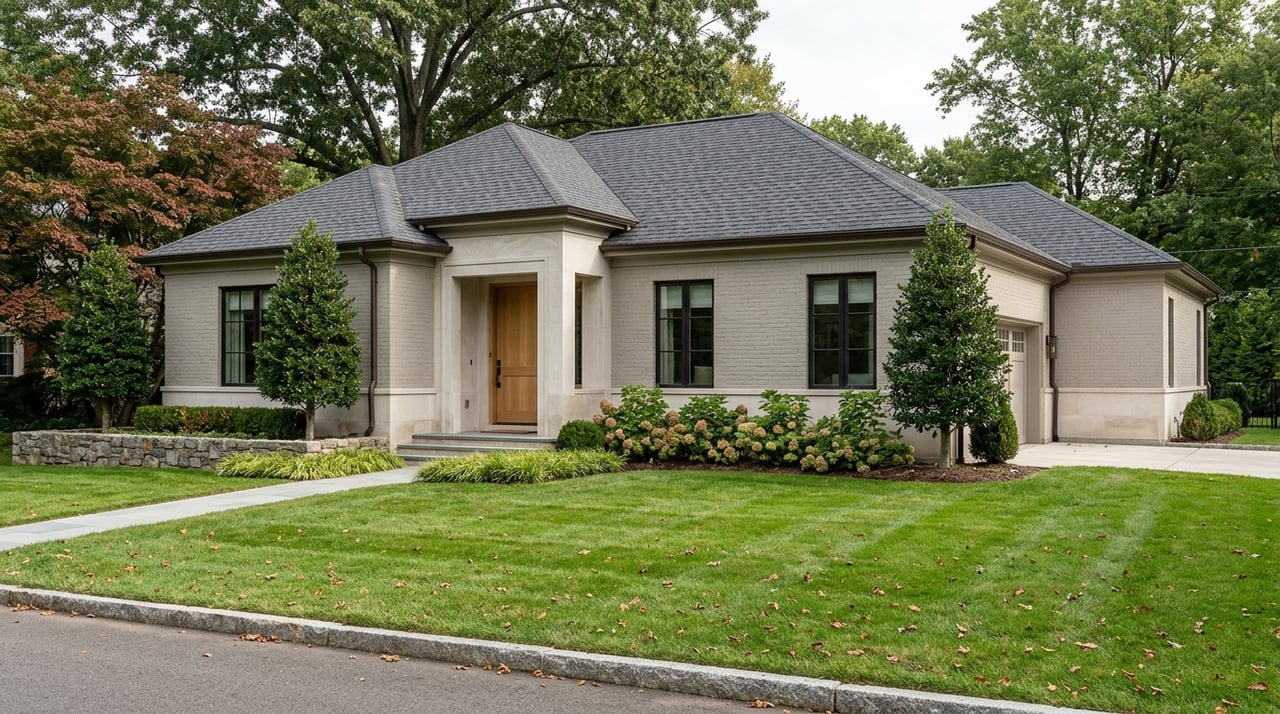

Inventory, demand, and the spring outlook

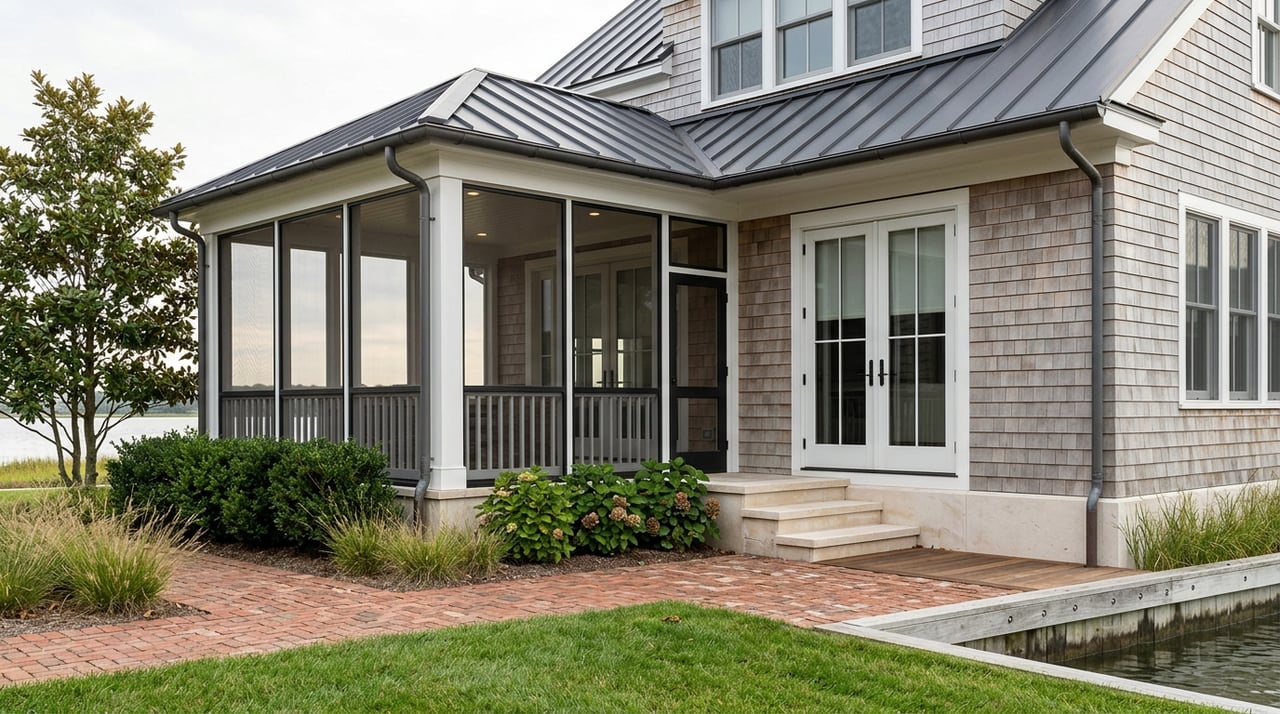
The Case for Washington — and Why the Fundamentals Still Hold

News
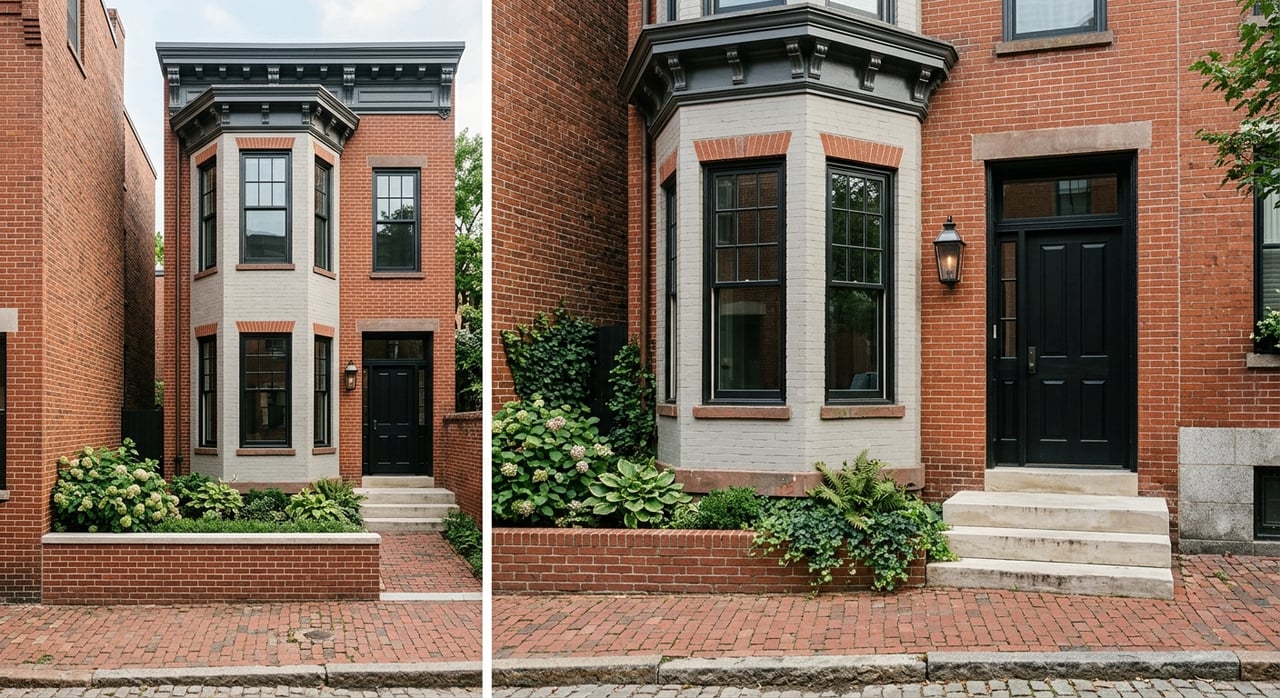
Here Is What It Means for DC Metro Homeowners.
When you work with Advisory Partners, you’re not just hiring a real estate advisory team—you’re gaining trusted partners committed to a deeply personalized, highly professional experience. Whether you’re a first-time homebuyer, a growing family, an investor, or a seasoned executive, the team’s expertise ensures your real estate journey is seamless, strategic, and successful from start to finish.