Design Forward Living In Washington DC
April 23, 2026
April 23, 2026
You can feel it almost instantly in Washington, DC: some homes do more than provide shelter. They frame a way of living. If you are drawn to beautiful proportions, thoughtful updates, and neighborhoods where architecture shapes daily experience, DC offers a rare mix of history and modern function. This guide will help you understand what design-forward living really means in the District, where it shows up most clearly, and what to consider if you are buying or selling in one of the city’s architecturally rich neighborhoods. Let’s dive in.
In Washington, DC, design-forward living is not just about a sleek kitchen or curated finishes. It usually means living in a home that respects the city’s historic fabric while supporting how you want to live now.
That balance matters because DC is defined by an unusually large historic inventory. The District includes more than 500 historic landmarks, more than three dozen historic districts, and roughly 23,600 buildings in its historic inventory. In practical terms, many of the city’s most memorable homes sit within a broader preservation framework that values compatible change, not change for its own sake.
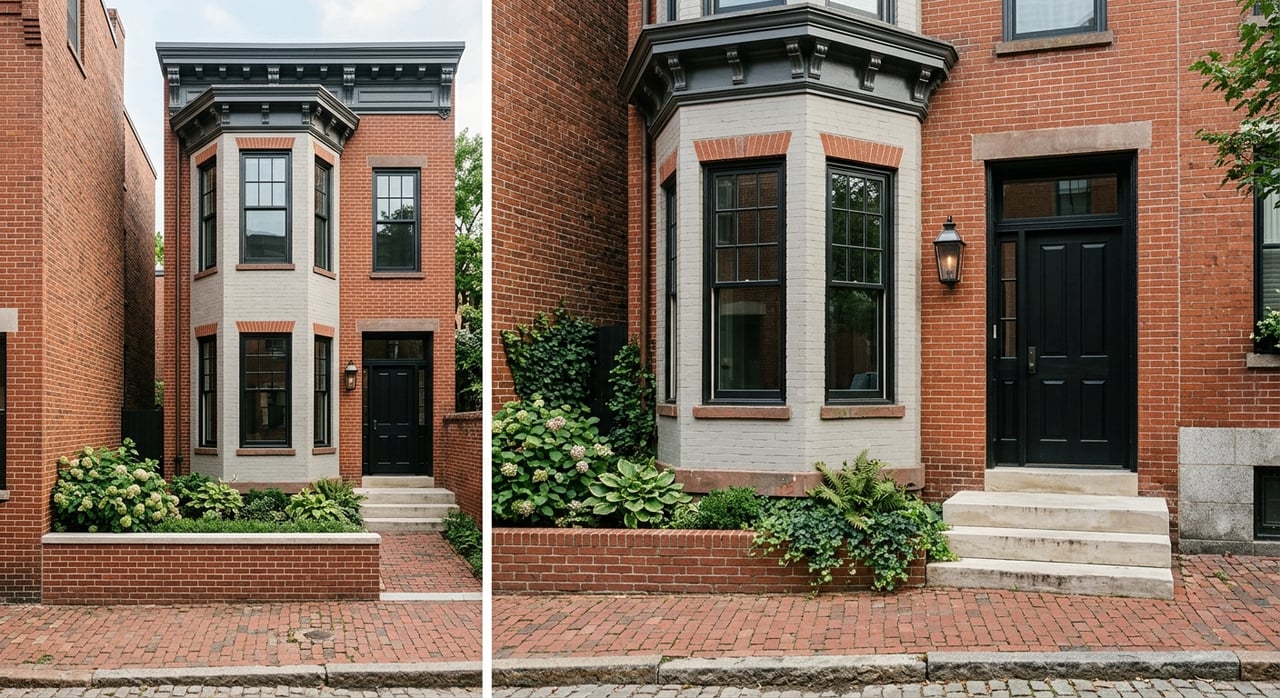
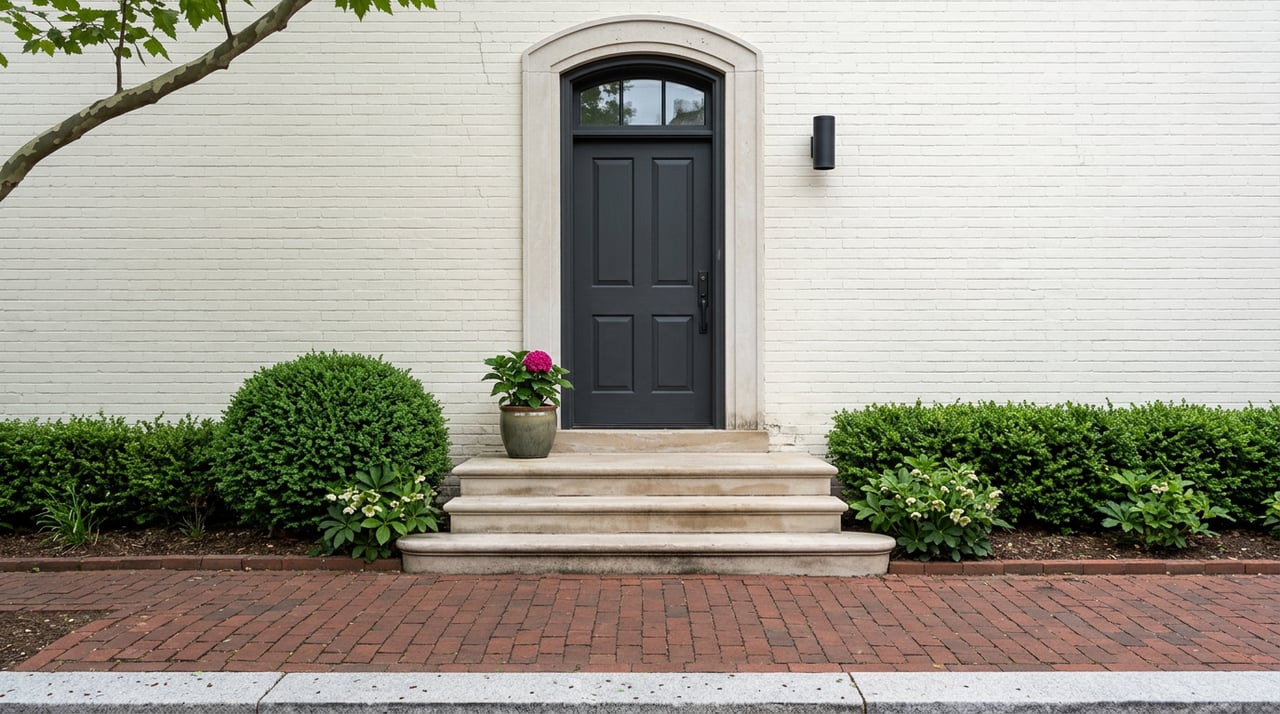
Across many blocks, you see the visual rhythm that makes DC so distinctive: masonry facades, bay windows, cornices, and repeated rowhouse forms. The city’s design language was shaped in part by 1871 building regulation changes that allowed projecting bays, which brought in more light and interior volume while defining the streetscape many buyers now love.
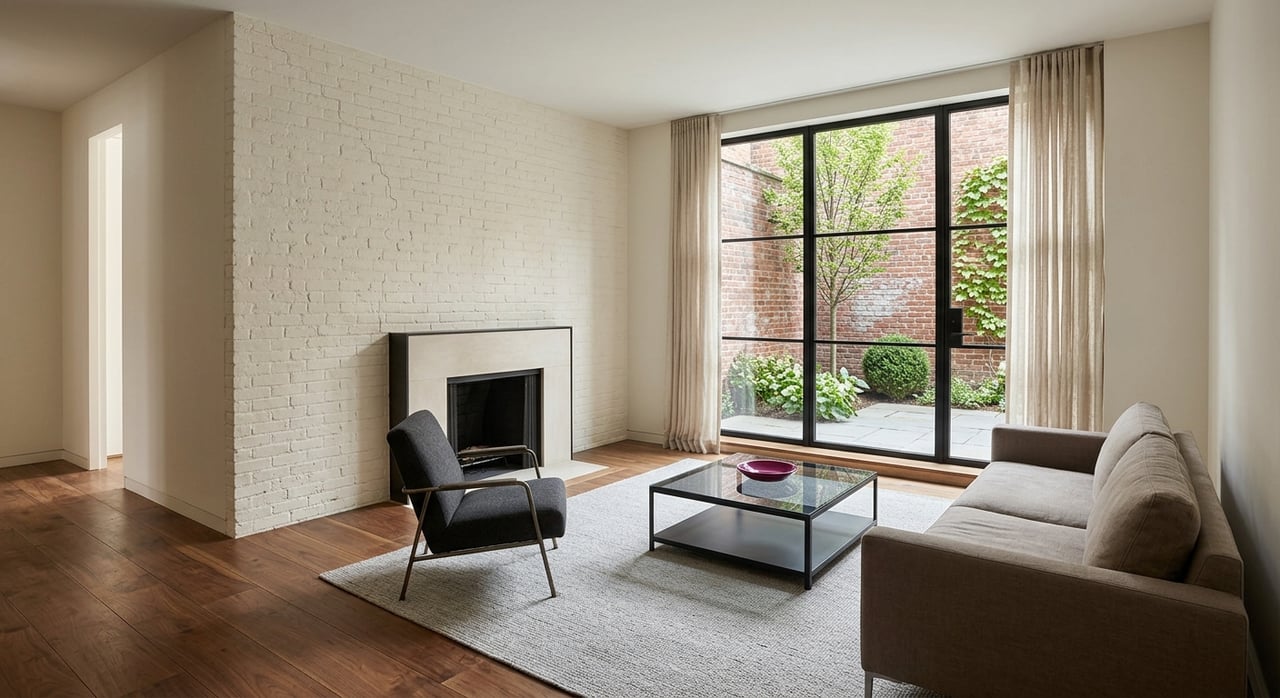
A design-forward home in DC often succeeds because it does two things well. It preserves the original scale and craftsmanship of the building while quietly improving comfort, storage, lighting, and flow inside.
That is why buyers are often drawn to homes with original proportions, tall windows, detailed millwork, or historic brickwork paired with updated kitchens, baths, and outdoor spaces. In neighborhoods shaped by Federal-era houses, late-Victorian rowhouses, Second Empire homes, Queen Anne and Richardsonian Romanesque rows, Colonial Revival houses, prewar apartments, and newer luxury multifamily buildings, the strongest homes tend to feel edited rather than overworked.
For sellers, that same idea matters in presentation. When a property’s architecture is already doing part of the storytelling, thoughtful preparation can help buyers see both the beauty of the original structure and the ease of modern living.
Georgetown is one of the clearest examples of old and new working together. Its historic district is associated with Federal, Late Victorian, and Colonial Revival architecture, and the neighborhood carries a remarkable sense of continuity.
The Old Stone House is identified by the National Park Service as the oldest structure on its original foundation in Washington, DC. At the same time, Georgetown Waterfront Park adds a more contemporary civic design layer, with accessible paths, rain gardens, a fountain, and links into the Potomac park system.
Georgetown also supports a lifestyle many buyers want. With a Walk Score of 85, it offers a strong blend of walkability and urban convenience, while its architecture keeps the neighborhood feeling intimate and highly composed.
If you picture late-19th-century urban elegance in DC, Dupont Circle likely comes to mind. The Dupont Circle Historic District includes rowhouses built mainly from the 1880s into the early 1900s, with Queen Anne and Richardsonian Romanesque Revival styles playing a leading role.
The district also includes mansions, embassies, chanceries, and private clubs, which gives the neighborhood a broader architectural range than many buyers expect. With a Walk Score of 98, it is one of the city’s most walkable places for buyers who want design, culture, and convenience in close reach.
Nearby, Sheridan-Kalorama and Kalorama Triangle extend the story in different ways. Kalorama Triangle developed largely with rowhouses, while Sheridan-Kalorama became known for individually commissioned free-standing houses, apartment buildings, embassies, and chanceries. That layered development helps explain the polished, international feel many people associate with the area.
The West End and Foggy Bottom show another side of design-forward living. Here, DC’s built environment feels especially layered, with rowhouses, apartment buildings, and high-rises sitting close to downtown institutions and transit.
The George Washington/West End district includes Queen Anne, Romanesque Revival, Arts and Crafts, Flemish Revival, and Georgian Revival styles. Over time, its apartment buildings evolved from modest structures that echoed rowhouse forms into larger high-rise buildings in Colonial Revival, Stripped Classical, and Art Deco styles.
With a Walk Score of 97, this area appeals to buyers who want a highly urban lifestyle without giving up architectural interest. It is a strong example of how design-forward living in DC can include both historic detail and multifamily sophistication.
Capitol Hill remains one of the country’s largest historic districts and is closely tied to the identity of rowhouse living in Washington. According to the National Park Service overview of Capitol Hill history and culture, the area developed in close relation to the Capitol, the Navy Yard, and L’Enfant’s plan, then became densely built with rowhouses by the late 19th century.
Its housing stock includes Second Empire examples, flat-front townhouses, and later rows with projecting bays, towers, brick ornament, and Queen Anne, Richardsonian Romanesque, and Eastlake influences. With Eastern Market and Pennsylvania Avenue contributing to daily activity, Capitol Hill combines civic energy with strong architectural identity.
Cleveland Park offers a different kind of design appeal. The neighborhood is known as an electric streetcar suburb with architect-designed late-Victorian frame houses that are unique in Washington, DC. Its early commercial main street and historically compact planning give it a distinct rhythm, and its Walk Score of 77 supports a walkable but less intensely urban lifestyle.
One reason design-forward living resonates so strongly in DC is that the experience extends beyond the home itself. In many of the city’s most sought-after neighborhoods, architecture, public space, and daily routine work together.
That can mean leaving a historic rowhouse and walking to a museum, a park, a waterfront path, or a neighborhood commercial corridor without losing the sense of place. The Smithsonian operates 17 free Washington-area museums and the National Zoo, while Rock Creek Park spans 1,754 acres with more than 32 miles of trails. These amenities reinforce the idea that your home is part of a wider urban composition.
In neighborhoods like Georgetown, Capitol Hill, and Sheridan-Kalorama, institutions, markets, embassies, and public landscapes shape the character of daily life. For a design-conscious buyer, that broader setting often matters just as much as the finishes inside the home.
In a city with so many historic properties, good design decisions usually start with practical questions. What can be changed, what should be preserved, and what approvals may be required?
In DC, most building and site construction requires a permit. If a property is historic, Historic Preservation Office clearance becomes the preservation approval for the permit application. Exterior work that affects historic character typically requires review, while some compatible repairs or minor alterations may move more quickly.
For buyers, that means features like window replacement, roof decks, rear porches, additions, or facade changes should be evaluated with both design goals and review requirements in mind. For sellers, it means understanding whether completed improvements, light updates, or presentation-focused enhancements will best highlight the property’s architecture.
If you are shopping for a design-forward home in Washington, focus on more than finishes. Look at the relationship between the home, the block, and the neighborhood around it.
A useful checklist includes:
The goal is not perfection. It is finding a property where beauty, function, and location work together.
If you are preparing to sell a design-rich home in DC, presentation matters because buyers are often responding to both architecture and atmosphere. Clean visual lines, edited rooms, thoughtful lighting, and restrained updates can help a property feel current without fighting its original character.
For some sellers, strategic pre-sale improvements may strengthen the home’s market position, especially when they clarify layout, refresh finishes, or bring attention back to architectural assets. That is where a design-aware, detail-focused approach can make a real difference in how the property is perceived.
Whether you are buying a historic rowhouse, evaluating renovation potential, or preparing a distinctive residence for market, a thoughtful strategy matters in Washington. If you want tailored guidance grounded in design, discretion, and local insight, Advisory Partners offers a refined, high-touch approach to navigating DC real estate.
Stay up to date on the latest real estate trends.

Inventory, demand, and the spring outlook

The Case for Washington — and Why the Fundamentals Still Hold

News
Here Is What It Means for DC Metro Homeowners.
When you work with Advisory Partners, you’re not just hiring a real estate advisory team—you’re gaining trusted partners committed to a deeply personalized, highly professional experience. Whether you’re a first-time homebuyer, a growing family, an investor, or a seasoned executive, the team’s expertise ensures your real estate journey is seamless, strategic, and successful from start to finish.