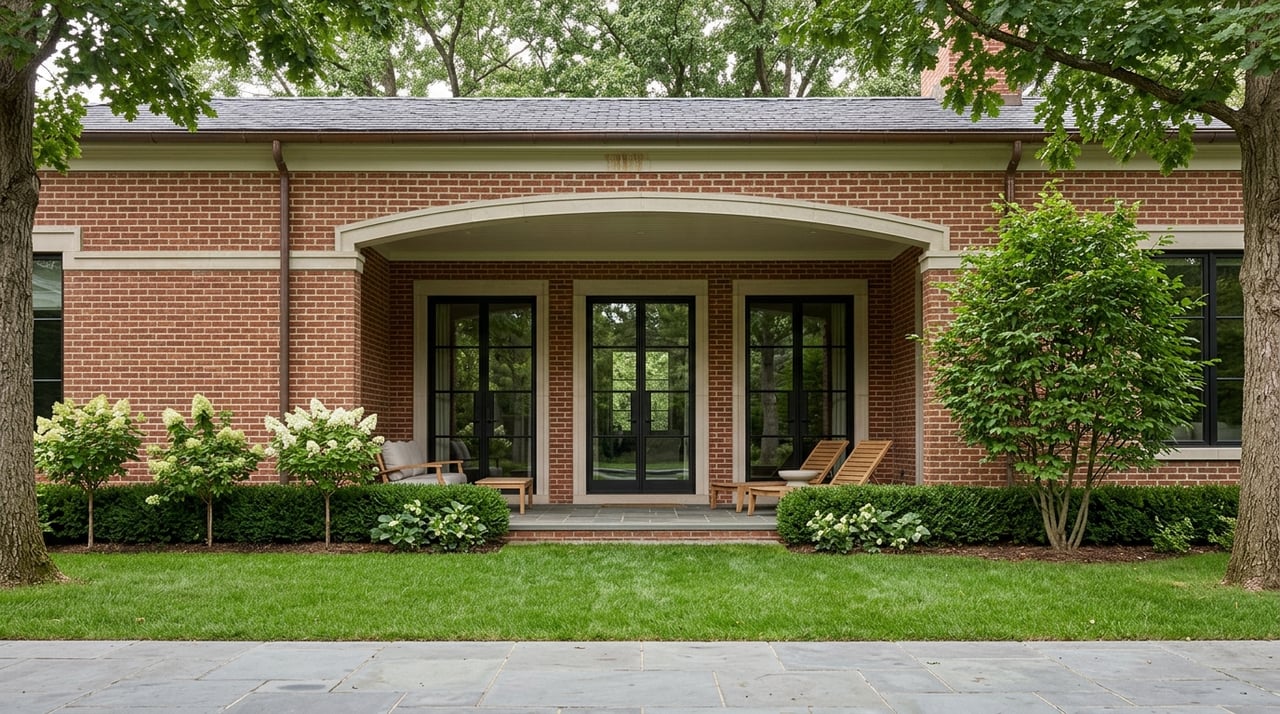
Everyday Life In Northern Virginia Estate Communities
June 4, 2026
June 4, 2026
If you picture Northern Virginia estate communities as remote or sleepy, the reality is more interesting. In the right pockets of McLean, Great Falls, and parts of Arlington, you can get quiet streets, mature trees, and larger lots without losing touch with work, culture, or everyday conveniences. If you are weighing a move or simply curious about the lifestyle, this guide will show you what daily life really feels like and how each area differs. Let’s dive in.
In Northern Virginia, “estate community” is more lifestyle shorthand than formal market category. In Fairfax County, planning for areas like McLean and Great Falls points to large-lot single-family residential use, open space, and lower-density development outside the region’s major commercial and transit centers.
For you, that often translates into a greener, quieter setting with more space between homes. Streets can feel more buffered from heavy traffic, and the overall rhythm of daily life tends to be calmer than in the urban core.
Arlington works a little differently. County planning concentrates higher density around Metro station areas and tapers down into surrounding single-family neighborhoods, so only certain pockets deliver that estate-like feel.
One of the biggest lifestyle shifts in these communities is the sense of separation from busier corridors. You may still be close to Tysons, Washington, or major commuter routes, but home often feels removed from the rush once you turn into a wooded street or a larger-lot enclave.
That sense of privacy is especially strong in Great Falls. Fairfax County planning describes parts of Great Falls, including Springvale and Riverfront, as rural and estate-oriented, with residential estates, parkland, open space, and very low-density residential development.
McLean offers a different version of that calm. It often feels polished and composed, with wooded settings and long setbacks, while still sitting close to major business centers and transit access.
If your priority is space and a rural feel, Great Falls stands out. Planning documents consistently frame it as a very low-density area shaped by estates, farms, large-lot subdivisions, and open land.
That character affects your everyday routine in simple ways. Drives tend to be more scenic, the streetscape feels less built up, and outdoor space becomes part of normal life rather than a special outing.
Great Falls also has a strong sense of local identity. Great Falls Village functions as a small commercial and civic hub, and places like the Great Falls Library serve as community gathering points with programs, meeting rooms, books, and parking.
For many buyers, McLean hits the sweet spot between estate living and practical convenience. Fairfax County planning supports large-lot residential character in much of McLean outside Tysons, the McLean Community Business Center, and the West Falls Church Transit Station Area.
That means you can find a quieter residential setting without stepping too far away from everyday access. WMATA notes that McLean Station on the Silver Line sits directly off I-495, is accessible from Route 123, and is close to Tysons Corner shopping and major corporate headquarters.
If you want a home base that feels more private than the city but still supports a fast commute, McLean is often the strongest fit. It is especially appealing if your schedule depends on efficient access to offices, airports, and downtown destinations.
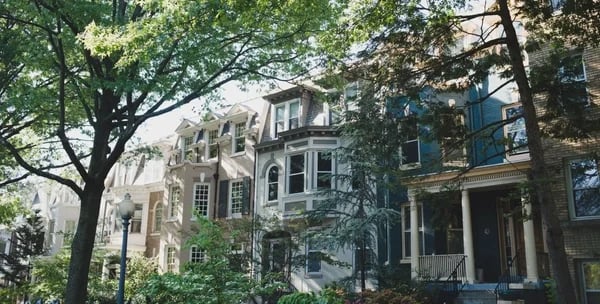
Arlington is not usually the first place people think of for estate living, but some neighborhoods do fit the idea. In older, tree-lined single-family areas and historic districts, the county highlights mature trees, abundant landscaping, and a range of early-20th-century architectural styles.
The experience here is less rural than Great Falls and often more compact than McLean. Still, if you value classic neighborhood character and want strong transit access, these Arlington pockets can offer a compelling mix.
East Falls Church Station adds to that appeal. WMATA identifies it as a station serving both Falls Church and Arlington with access to the Orange and Silver lines, which makes nearby residential areas practical for Metro users.
In estate-oriented communities, the built environment changes how a place feels day to day. Larger lots, mature landscaping, and older architectural styles often create a stronger sense of arrival, privacy, and visual calm.
Great Falls has a custom, historic character that stands out. Fairfax County points to landmarks like the 1905 Turner Farmhouse and the 1929 Great Falls Grange, while broader planning documents describe the area as a place of estates, farms, and large-lot subdivisions.
McLean leans more preservation-minded in certain areas. Salona, a Federal-style farmhouse preserved through conservation easement protections, reflects the area’s connection to open space and historic character.
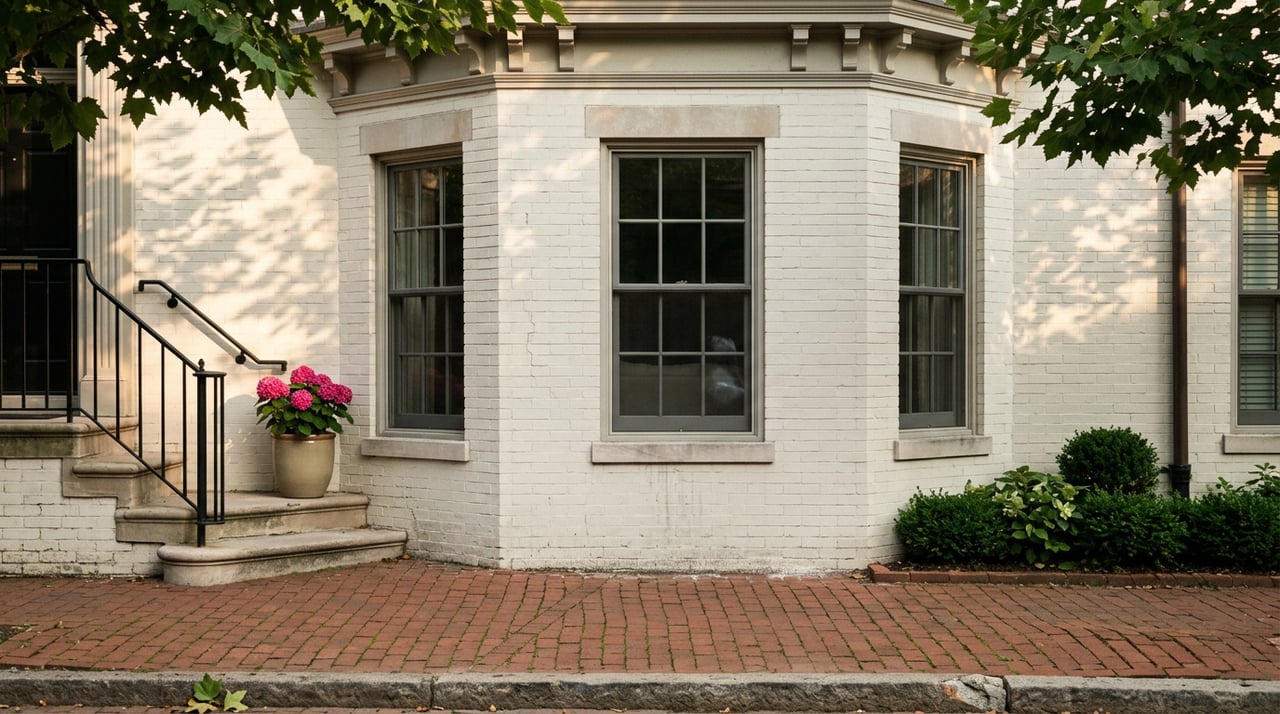
In Arlington’s estate-adjacent historic neighborhoods, you are more likely to see Queen Anne, Colonial Revival, Craftsman, and Tudor Revival influences. County preservation efforts help maintain that architectural identity and the landscaped setting around it.
One reason these communities feel so livable is the strength of the regional park system. Fairfax County manages 22,000 acres of parkland and more than 900 miles of trails, and it specifically describes trails as connectors between homes, businesses, parks, and other destinations.
That matters in daily life. Instead of saving nature for a weekend trip, you often have easy access to walking paths, wooded preserves, river views, and recreation close to home.
In Great Falls, that outdoor identity is especially strong. Great Falls Park is an 800-acre park about 15 miles from the Nation’s Capital, with 15 miles of trails and three overlooks, giving residents a scenic option for short hikes and casual weekend outings.
Riverbend Park adds even more variety. Fairfax County says it includes more than 400 acres of forest, meadows, and ponds, along with more than 10 miles of hiking trails, horse and bike trails, and a 2.5-mile stretch of the Potomac Heritage Trail.
McLean combines natural settings with family-friendly recreation. Scott’s Run Nature Preserve, with trailheads off Georgetown Pike, offers rugged hiking terrain in the Potomac Gorge and reinforces the area’s wooded, conservation-focused identity.
For more structured recreation, McLean also offers places like Clemyjontri Park and Spring Hill Rec Center. Clemyjontri includes a 2-acre all-abilities playground, carousel, train, and picnic spaces, while Spring Hill Rec Center provides aquatic facilities, fitness spaces, and classes.
In Arlington, Gulf Branch Nature Center helps define everyday outdoor life. It offers year-round programs, exhibits on nature and cultural history, wooded trails to the Potomac River, and a restored 19th-century log cabin.
Your daily experience in these communities depends a lot on how you move through the region. The biggest difference is not whether you can reach work or city amenities, but how direct and flexible that access feels from your exact address.
Great Falls is the most car-oriented of the three. Local-serving commercial uses are concentrated in Great Falls Village and a few intersections, while the broader area remains low density.
McLean is the clearest rail-oriented estate option. Silver Line access, proximity to Tysons, and major road connections make it a practical choice if commuting efficiency matters almost as much as privacy.
Arlington has a corridor-based transit advantage. In the right neighborhood, you can enjoy mature residential surroundings while staying relatively close to Metro service and regional connections.
A big part of the appeal here is that quiet residential life does not mean cultural isolation. These communities work well as calm home bases for people who still want regular access to museum days, performances, dining, and civic events.
Washington remains a central draw. The National Mall and Memorial Parks protects more than 1,000 acres of parkland and monuments, and the Smithsonian museums continue to serve as one of the region’s major free cultural attractions.
You also remain close to established performing arts venues such as the Kennedy Center and Ford’s Theatre. If you enjoy balancing peaceful weekdays at home with active evenings or weekends in the city, that combination is part of the value.
If you want the greatest sense of privacy and a more rural estate setting, Great Falls is likely the best match. It offers the strongest low-density character, open space, and outdoor identity.
If you want privacy with easier commuting and stronger proximity to Tysons and Metro, McLean usually offers the best balance. It is often the most versatile choice for buyers who want both space and speed.
If you want mature trees, historic character, and practical transit access in a more established close-in setting, select Arlington pockets deserve a closer look. They offer a more compact version of estate-style living with strong regional connectivity.
Ultimately, everyday life in Northern Virginia estate communities comes down to balance. You get room to breathe, a stronger connection to landscape, and a calmer residential feel, while still keeping the best of the wider Washington region within reach.
If you are exploring a move to McLean, Great Falls, or Arlington, Advisory Partners offers discreet, design-aware guidance tailored to how you want to live.
Stay up to date on the latest real estate trends.
DC Housing Update
When you work with Advisory Partners, you’re not just hiring a real estate advisory team—you’re gaining trusted partners committed to a deeply personalized, highly professional experience. Whether you’re a first-time homebuyer, a growing family, an investor, or a seasoned executive, the team’s expertise ensures your real estate journey is seamless, strategic, and successful from start to finish.