
Strategic Considerations When Selling A Delaware Retreat
July 9, 2026
July 9, 2026
If you own a Delaware retreat, selling it is rarely as simple as listing it and waiting for offers. Coastal timing, second-home expectations, rental history, and local compliance can all shape how buyers respond and how smoothly your sale moves forward. With the right strategy, you can prepare your property to show well, price it with discipline, and reduce avoidable delays before they start. Let’s dive in.
Delaware’s retreat market is influenced by tourism, seasonality, and out-of-area demand. The state reported 29.3 million visitors and more than $7 billion in visitor spending in 2023, and beach visitation peaks in the summer months. That pattern matters because many prospective buyers first experience Delaware as visitors before they become owners.
In parts of the coastal market, the buyer pool is also regional. In Rehoboth Beach, Redfin reports that Washington-area buyers searched to move there more than buyers from any other metro, followed by Philadelphia and New York. For sellers, that means your audience may include buyers comparing Delaware with other second-home options across the Mid-Atlantic.
A retreat buyer often shops differently than a primary-residence buyer. They may be balancing lifestyle goals, carrying costs, flood considerations, and the possibility of occasional rental use. Because of that, your property needs to feel well-managed, easy to understand, and ready to enjoy.
This is one reason presentation and documentation matter so much. Buyers making a second-home decision may move quickly when a property feels turnkey, but they may also hesitate if the details seem incomplete or unclear.
Because Delaware’s tourism economy is closely tied to beach travel, timing can affect exposure and momentum. DNREC notes that beach visitation peaks in the summer, which suggests that sellers often benefit from completing preparation before the busiest warm-weather period.
That does not mean there is one perfect week to list every property. It does mean your planning should work backward from the season when buyer attention is strongest. If repairs, photography, or staging drag into peak travel months, you may miss a valuable window.
For many owners, the best strategy is to treat the sale like a project with a clear sequence. That can include:
This kind of planning is especially helpful if you live outside Delaware or only use the home part of the year.
Memories of a strong market can be expensive. In Rehoboth Beach, Redfin reports a median sale price of about $1.01 million and average days on market of 55 in the three months ending May 2026. Even in a desirable destination, buyer behavior still responds to price, condition, and competing inventory.
That is why pricing should come from current comparable sales and active competition, not from a prior peak or a neighbor’s story. A retreat property that enters the market at an aspirational number may lose leverage if it sits while better-prepared listings attract the early attention.
Pricing should also reflect your likely closing costs. Delaware’s Division of Revenue says realty transfer taxes are typically shared equally by buyer and seller. The state rate is 2.5% for property in counties and municipalities that impose a local transfer tax, and 3% where no local transfer tax exists.
That is a meaningful line item, especially in higher price ranges. Before you set an asking price, it helps to understand what you want to net after transfer tax and other sale-related costs.
Clean is good, but polished is better. NAR’s 2025 staging research found that 83% of buyers’ agents believe staging makes it easier for buyers to visualize a home, 29% said staging increased the dollar value offered by 1% to 10%, and about half of seller agents said staging reduced time on market.
For a Delaware retreat, that insight is especially relevant. Buyers may be touring several homes in a short period, and they are often drawn to the property that feels the most complete, calm, and ready for immediate use.
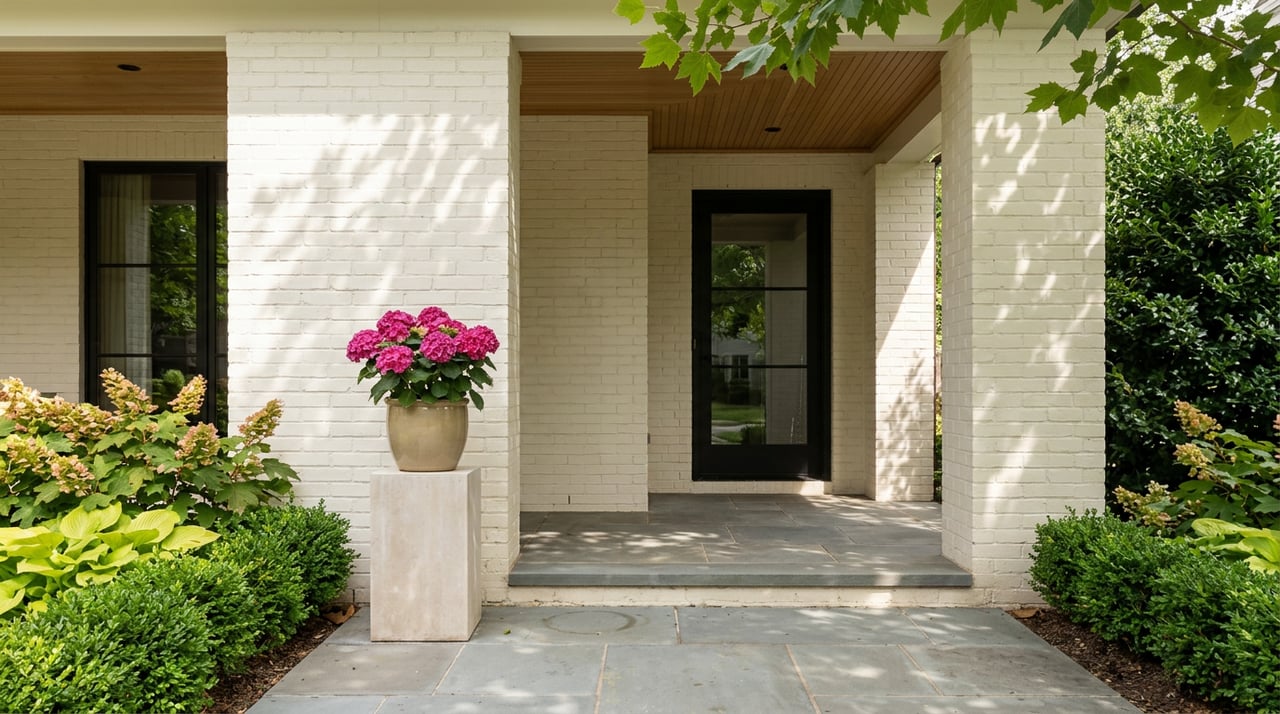
A design-forward presentation does not always require a full overhaul. Often, the goal is to make the home feel coherent and easy to step into. Priorities may include:
This is where thoughtful staging and visual storytelling can help a retreat stand apart. Buyers are not just evaluating square footage. They are imagining weekends, holidays, and time away.
Delaware’s approved seller disclosure form is detailed, and early preparation can prevent delays later. The form asks whether the property is a second or vacation home or rental, whether required permits and licenses were obtained, whether there is a rental management agreement, and whether the property is subject to deed restrictions, HOA or condo fees, or capital contributions.
It also asks about flood-zone status, flood insurance, drainage or flood problems, insurance claims, and additions or structural changes completed with permits. Because the disclosure form becomes part of the agreement of sale and does not replace inspections, it is wise to organize records before your listing goes live.
Consider pulling together:
When buyers can review a clear, organized package, they often feel more confident moving forward.
Flood documentation is not a side issue in Delaware. The Delaware Department of Insurance says flood premiums depend on flooding risk as well as the age and construction of the home. For coastal properties in high-risk V and VE flood zones, flood insurance is mandatory for federally backed mortgages.
For many buyers, this affects both affordability and peace of mind. If your home is in or near a flood-prone area, having accurate insurance and flood-related information ready can help avoid surprises during due diligence.
If your property is near the shore, exterior repairs should be handled carefully. DNREC says beach and dune areas must be protected and that a building line parallels the coast. If work has been done near those areas, or if you are planning repairs before listing, it is prudent to confirm that the proper approvals were obtained.
That matters even more for owners coordinating projects from another state. A repair that appears minor can raise buyer questions if the permitting trail is incomplete.
If your retreat has also functioned as a short-term rental, that history can affect pricing, marketing, and disclosure. Delaware now imposes a 4.5% short-term rental lodging tax on stays beginning January 1, 2025. The Division of Revenue says an accommodations intermediary is responsible for collection in many cases, and municipal lodging taxes may also apply.
Local rules can differ significantly by town. Lewes requires a rental license, compliance with codes, an overnight occupancy limit, and a local contact person. Selbyville stated that short-term rentals were not permitted there and formally prohibited them in 2025.
If buyers see a property as part personal retreat and part income-producing asset, they will want clarity about its legal use. That does not mean you should overstate rental potential. It means you should accurately present the property’s history, current compliance, and any limits that apply in that municipality.
In practice, rental records, licenses, and local rules should be reviewed early, right alongside pricing and disclosure strategy.
A Delaware retreat sale often combines design choices, disclosure details, flood documentation, transfer-tax planning, and town-specific rental questions. That is why the process tends to function more like a managed project than a simple listing upload.
For many owners, especially those based in the Washington area or elsewhere outside Delaware, a calm and structured process is just as important as the final number. Sequencing the work well can reduce stress, preserve momentum, and help your property make a stronger first impression.
A disciplined sale plan often looks like this:
The goal is not simply to list. The goal is to present a retreat that feels credible, polished, and easy for the right buyer to choose.
Selling a Delaware retreat takes more than good timing or attractive photos. It requires disciplined pricing, careful preparation, and attention to the local details that shape buyer confidence. If you want a more tailored strategy for positioning a second home or vacation property, request a private consultation with Advisory Partners.
Stay up to date on the latest real estate trends.







DC Housing Update
When you work with Advisory Partners, you’re not just hiring a real estate advisory team—you’re gaining trusted partners committed to a deeply personalized, highly professional experience. Whether you’re a first-time homebuyer, a growing family, an investor, or a seasoned executive, the team’s expertise ensures your real estate journey is seamless, strategic, and successful from start to finish.