How to Sell Your Historic Cleveland Park Home for a Premium
March 5, 2026
March 5, 2026
You love your Cleveland Park home for its character and story. Buyers do too, but they also expect a polished, move-in-ready experience that respects the neighborhood’s historic fabric. With a clear plan that blends preservation, smart updates, and precise marketing, you can attract stronger offers and a smoother sale. In this guide, you will learn how to navigate permits, prioritize the right improvements, use funding options like Compass Concierge, and follow a streamlined timeline that fits a busy schedule. Let’s dive in.
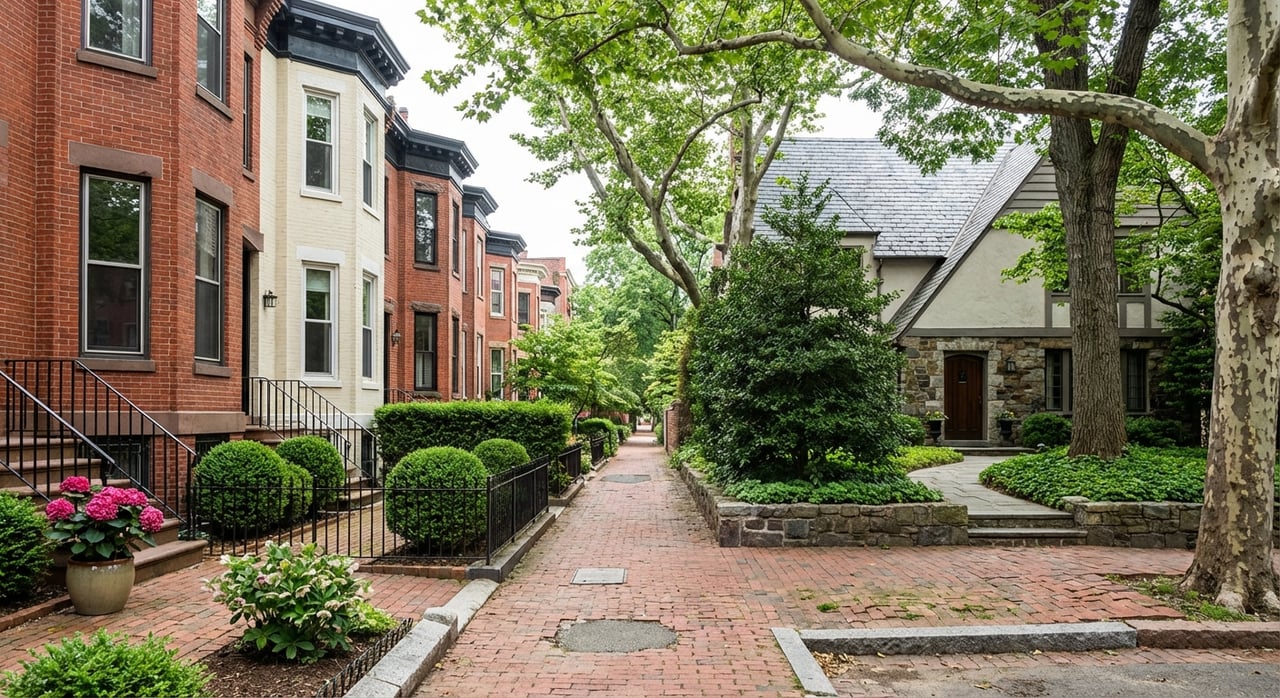
Cleveland Park is a designated historic district with homes built roughly between 1880 and 1941 in styles like Queen Anne, Colonial Revival, and Craftsman. Buyers are drawn to authentic materials, original millwork, and a leafy, established setting. You want those qualities to shine from the moment they see your listing. Learn more about the neighborhood’s historic status in the city’s overview of the Cleveland Park Historic District.
Staging and presentation matter. According to national research, staging helps buyers visualize a property as their home and can reduce time on market. Review the latest findings in the NAR report on home staging.
DC requires historic preservation clearance for any permitted work on a property in a historic district. Many small, in-kind repairs can be cleared by Historic Preservation Office staff on an expedited basis. Larger, visible changes often need a public hearing through the Historic Preservation Review Board, which extends timing. Start your planning with the city’s page on building permits for historic property.
Local input helps, too. The Cleveland Park Historical Society and its Architectural Review Committee offer guidance before you file. Their design resources are practical and can reduce surprises later. Explore the Cleveland Park Historical Society preservation guide.
If your property borders parkland, additional federal review may apply. Ask early if Commission of Fine Arts review is required. It is easier to set expectations now than to rework plans mid-project.
Most homes here were built before 1978, so deal with lead paint correctly. DC enforces lead-safe practices for contractors and sets disclosure and containment rules. Review requirements through the DOEE lead regulations overview.
Use a preservation-minded sequence to guide your scope:
Confirm whether any exterior work needs clearance before starting. The permits page for historic properties explains triggers and contacts.
Start with the unglamorous items that can derail inspections: roof leaks, electrical safety, HVAC service, and plumbing. Addressing these early reduces friction during negotiations and supports a premium price.
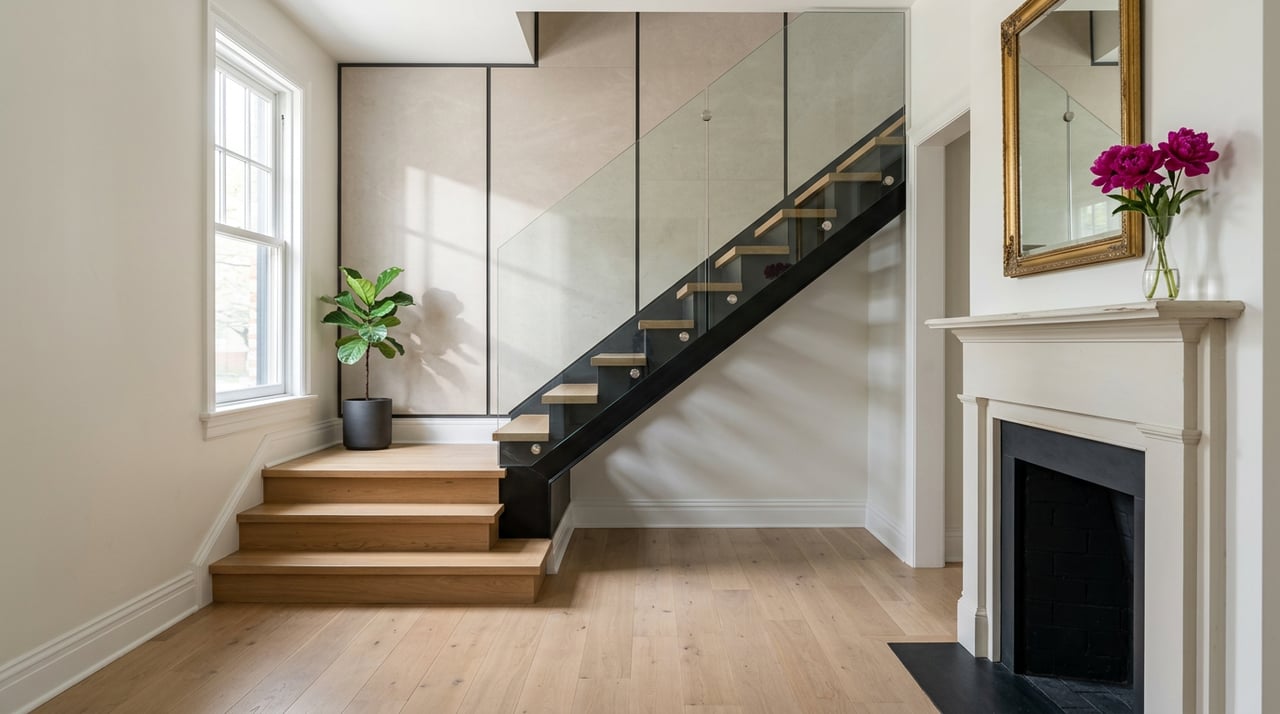
Refinishing often delivers one of the strongest returns among interior projects, especially in older homes where original floors are a selling point. See national ROI insights in the NAR remodeling impact coverage. Choose a classic, satin finish and repair boards rather than replacing them to keep authenticity intact.
Targeted updates usually beat full gut remodels on payback when you are preparing for market. Consider painting or refacing cabinets, swapping dated hardware, updating light fixtures, and replacing worn faucets or counters in high-visibility zones. Calibrate finishes to local comps rather than overbuilding.
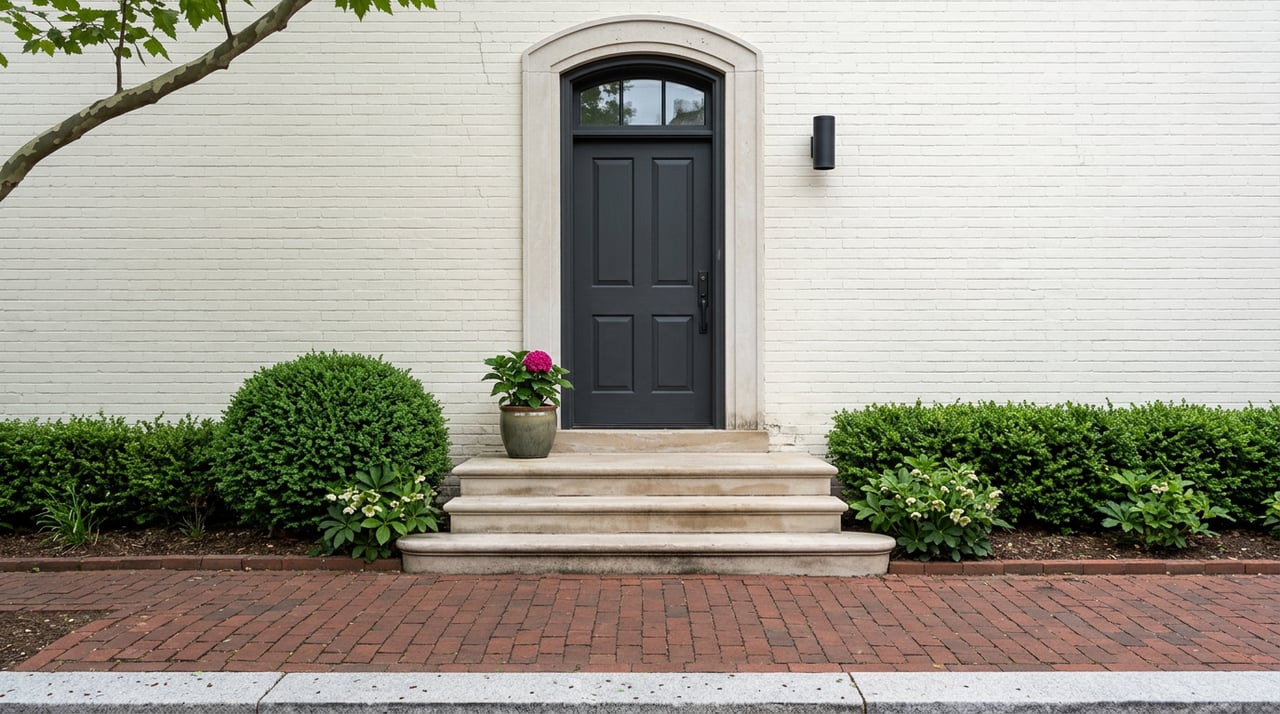
Porches, stairs, and front gardens set the tone. Repair handrails and treads, clean masonry, refresh planting beds, and select a paint palette that feels period-appropriate. The Cleveland Park Historical Society’s guidance can help you choose historically sympathetic colors and lighting.
Where possible, repair original windows, doors, porches, and slate roofs. The National Park Service’s preservation standards recommend repair-first and in-kind replacement only when necessary. Their guidance on energy efficiency and resilience is a helpful resource for decision-making in historic homes. Explore NPS recommendations on preservation and sustainability.
Buyers want good natural light and comfortable circulation, but large wall removals or porch enclosures can compromise historic integrity and review timelines. Consider selective interventions that improve daily living while keeping primary historic fabric intact. HPO staff can often advise whether your idea is feasible on an expedited track.
You want buyers to connect emotionally without losing the home’s story. Use staging to highlight original millwork, mantels, and built-ins. Keep paint light and neutral, scale furniture to rooms, and add layered lighting to draw the eye to period details. The NAR staging research shows that this kind of presentation helps buyers picture themselves living there and can shorten time on market.
After staging, invest in professional photography and a measured floor plan. Capture both the character moments and the way the home lives day to day. This balance is essential for out-of-area and executive buyers who screen properties online first.
Compass Concierge can cover upfront costs for services like painting, staging, flooring, landscaping, and small repairs, with nothing due until closing. Amounts, eligibility, and terms vary by market, and repayment typically occurs at closing or a defined program end point. Review the Compass Concierge overview and confirm details with your listing agent.
If your plan includes more substantial work, consider renovation loans that combine financing for improvements with a purchase or refinance. The FHA 203(k) program is a common option, with different tracks for limited versus standard scopes. Learn more about FHA 203(k) rehabilitation loans, and ask a lender experienced in renovation products to guide timelines and draws.
No matter how you fund the work, align contractor bids, draw schedules, and permit approvals before you begin. Build in time for any required historic review so you do not jeopardize your launch date.
Weeks 0 to 1: Meet with your agent to set goals, pricing strategy, and scope. Ask for a targeted pre-list budget, including any Concierge-eligible items. Request an HPO pre-screen on exterior items and a quick consult with the Cleveland Park ARC if you are considering visible changes.
Weeks 1 to 3: Declutter, deep clean, and paint high-impact rooms. Swap dated lighting and hardware. Stage main living areas and the primary suite. Schedule professional photos and a floor plan immediately after staging.
Weeks 2 to 6: Refinish hardwood floors, complete kitchen and bath refreshes, and handle small exterior repairs and landscape cleanup. If any paint or window work may disturb old coatings, follow lead-safe practices and plan for containment or permits.
Weeks 4 to 12+: For major exterior alterations that are visible from the street, build in time for design review and permitting. Do not list until significant exterior work is complete or cleared, so buyers see the home at its best.
Over-improving beyond comps: A selective refresh typically nets more than a full high-end overhaul. See national trends in the NAR remodeling impact coverage.
Unpermitted exterior work: Starting visible changes without HPO clearance can trigger enforcement and costly reversals. Start with the city’s page on historic property permits.
Lead-related liability: Improper paint disturbance in pre-1978 homes is a safety and legal risk. Follow DC rules and hire certified contractors per the DOEE lead guidance.
Your Cleveland Park home carries architectural value that buyers notice. With a preservation-smart scope, design-forward staging, and disciplined execution, you can honor that history while capturing a premium result. If you want a partner who blends interior design insight with meticulous transaction management and Compass Concierge integration, connect with Advisory Partners for a discreet, tailored plan.
Stay up to date on the latest real estate trends.

Inventory, demand, and the spring outlook

The Case for Washington — and Why the Fundamentals Still Hold


News
Here Is What It Means for DC Metro Homeowners.


When you work with Advisory Partners, you’re not just hiring a real estate advisory team—you’re gaining trusted partners committed to a deeply personalized, highly professional experience. Whether you’re a first-time homebuyer, a growing family, an investor, or a seasoned executive, the team’s expertise ensures your real estate journey is seamless, strategic, and successful from start to finish.