Dupont Circle DC Neighborhood Guide to Everyday Living
February 19, 2026
February 19, 2026
Curious what your days would actually feel like in Dupont Circle? If you picture a walk-to-everything routine with art, cafés, and an easy commute, you’re in the right place. In this guide, you’ll get a clear, honest look at daily life, housing options, typical costs, and practical tips so you can decide if Dupont suits your lifestyle. Let’s dive in.
Dupont Circle centers on the namesake traffic circle and small park where Massachusetts, Connecticut, and New Hampshire Avenues meet. Local civic groups commonly set the neighborhood between roughly 16th and 22nd Streets NW and from M Street up to Florida Avenue NW, though definitions vary by source. You can see a helpful boundary overview from the neighborhood association at the Dupont Circle Citizens Association.
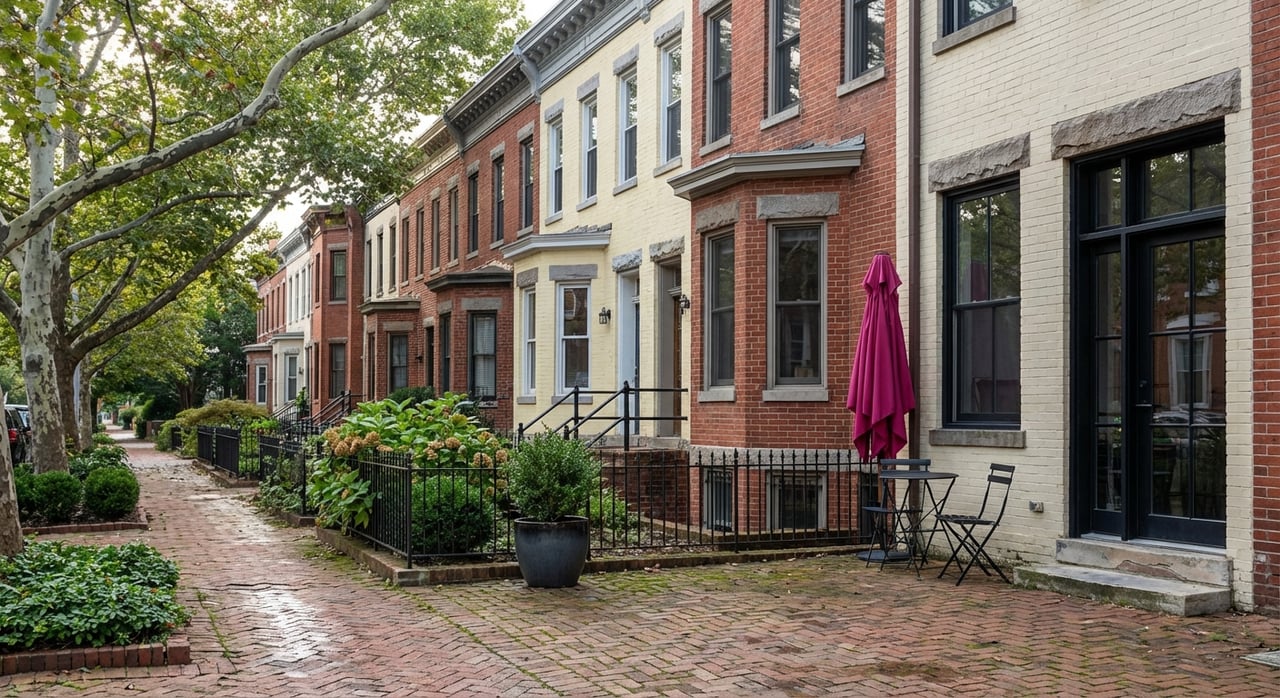
Much of Dupont is a protected historic district with late 19th and early 20th century architecture that shapes the streetscape and renovation rules. The park at the circle includes the Samuel Francis Du Pont Fountain and functions as a busy public gathering space managed by the National Park Service. For a concise architectural and preservation context, review the SAH Archipedia summary and the NPS site for Dupont Circle.
Dupont rates as a walker’s paradise, with everyday errands and dining an easy stroll from most blocks. Check the neighborhood’s strong rankings on Walk Score to get a feel for car-free living.
The Red Line’s Dupont Circle station sits directly under the circle with exits at Q Street and 19th Street. For many residents, your commute is Red Line plus a short walk. You can preview station details and connections via WMATA’s station page.
Your morning can be as quick or lingering as you like. Classic bookstore-café culture endures here, and local roasters and national coffee brands mix within a few blocks of the circle. The park is a natural starting point for a short loop, a newspaper on a bench, or a quick dog walk.
Groceries are close by too. Smaller specialty markets sit within a short stroll, and larger supermarkets are typically a 5 to 15 minute walk depending on your block. On Sundays, the routine often centers on the year-round FRESHFARM market along 20th Street. Peak season hours are about 8:30 a.m. to 1:30 p.m., and it is both a pantry stop and a social ritual. See details on the Dupont Circle Farmers Market.
If you split time between home and the office, Dupont makes hybrid weeks simple. The Red Line provides direct links to downtown and transfer points across the Metro system, and you will also find reliable bus coverage and multiple bikeshare docks nearby. Many residents blend walking, Metro, and short bike trips without needing a car.
Art is part of the neighborhood fabric. The Phillips Collection at 21st and Q is a top cultural anchor and an easy midday break or weekend plan. You can plan a visit and explore current programs through The Phillips Collection. Smaller galleries and rotating openings add a casual art-walk rhythm to first Fridays and select evenings.
For something different, the Dupont Underground repurposes a historic trolley station into an arts venue. Pop-up shows and installations create an alternative night out that’s still very neighborhood. Learn more about the space via Dupont Underground’s profile.
Dinner can be high-end tasting or laid-back bistro within a few blocks of each other. A favorite for date nights is Iron Gate, known for its courtyard setting and Mediterranean-influenced menu. Preview the atmosphere at Iron Gate.
Nightlife stretches across Dupont, 17th Street, and nearby U Street and 14th Street. The circle has a long-standing connection to DC’s LGBTQ+ community, and large events connected to Pride can bring significant energy to the area. The NPS overview notes the circle’s role as a gathering point for community events and celebrations.
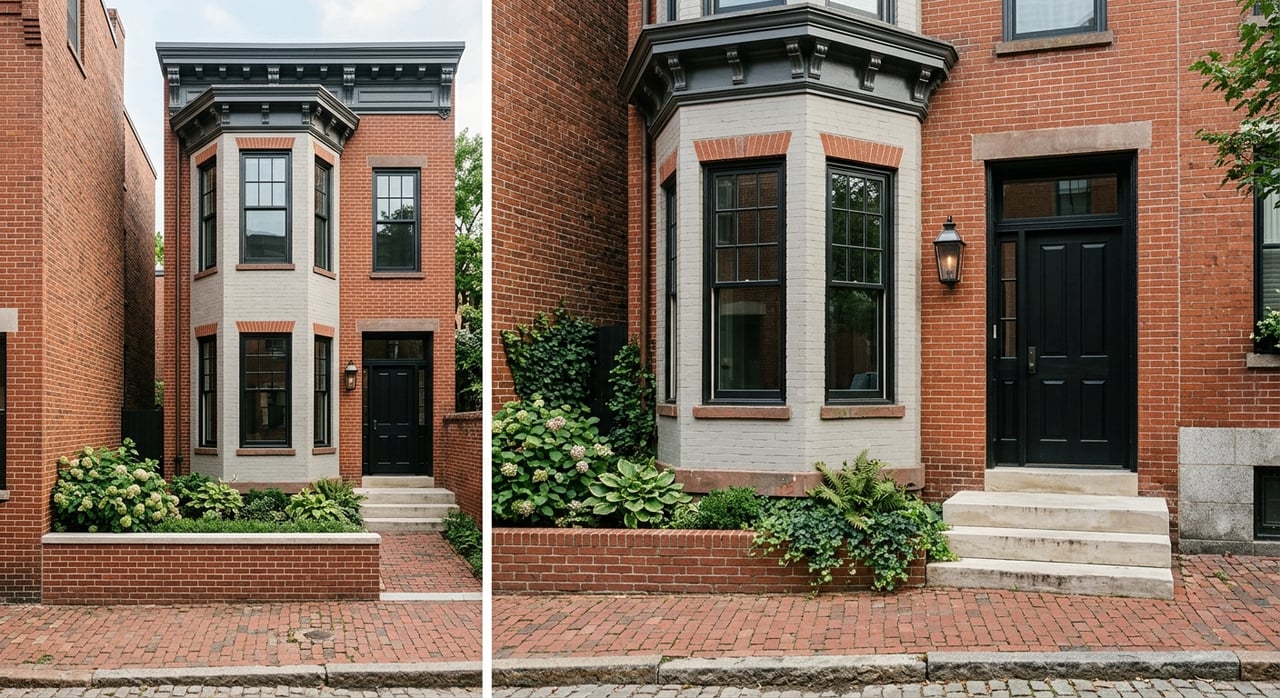
Dupont’s housing stock is varied and deeply historic. You will see:
Iconic buildings like The Cairo on Q Street hint at the neighborhood’s architectural range and height history. If you are curious, read more about The Cairo.
What that means for you: many available units are studios and one-bedrooms in elevator or walk-up buildings, which suits a pied-a-terre or lock-and-leave lifestyle. Conversions can have smaller footprints, variable storage, and limited on-site parking. In landmarked areas, exterior changes and some expansions require preservation review, which can affect timelines and budgets. For background on the historic district’s significance, see the SAH Archipedia entry.
Recent vendor estimates show that typical home values in Dupont vary based on product type and time window. Aggregations that lean toward condos and co-ops often put typical values in the mid $400,000s, while trackers that include single-family rowhouses can land closer to the mid $500,000s and up. Renovated rowhouses and boutique properties commonly trade in the seven-figure range.
For rentals, recent trackers in early 2026 show a median asking rent around 2,700 to 2,800 dollars across the overall inventory. Expect premiums for turnkey buildings and for amenities like in-building laundry, concierge, or private outdoor space, and note that price per square foot can vary widely by building class and micro-location.
The main takeaway: pricing depends on product mix and condition. If you compare reports, check what each source includes and the period covered. This is a market where the right comp set matters.
Pros
Tradeoffs
You will likely thrive here if you value walkability, art and dining within a few blocks, and a home base that works for both a busy weekday and a social weekend. Dupont’s housing mix suits buyers who want a turnkey condo or a pied-a-terre, as well as those drawn to the craftsmanship of historic rowhouses. If you prefer a car-first lifestyle or need abundant private parking, you will want to plan carefully.
Choosing the right home in Dupont comes down to product type, building quality, and location on the block. If you want design-informed guidance, early access strategies, and a smooth close, connect with Advisory Partners for a private consultation. Our boutique team pairs design-led insight with rigorous execution so you can move confidently.
Stay up to date on the latest real estate trends.

Inventory, demand, and the spring outlook

The Case for Washington — and Why the Fundamentals Still Hold

News
Here Is What It Means for DC Metro Homeowners.
When you work with Advisory Partners, you’re not just hiring a real estate advisory team—you’re gaining trusted partners committed to a deeply personalized, highly professional experience. Whether you’re a first-time homebuyer, a growing family, an investor, or a seasoned executive, the team’s expertise ensures your real estate journey is seamless, strategic, and successful from start to finish.